
Structural Vibration Monitoring for Slovenia's National Transport
Professional vibration monitoring using Instantel equipment delivered significant value to Slovenia's national highway infrastructure development, the Third Development Axis project.
Background
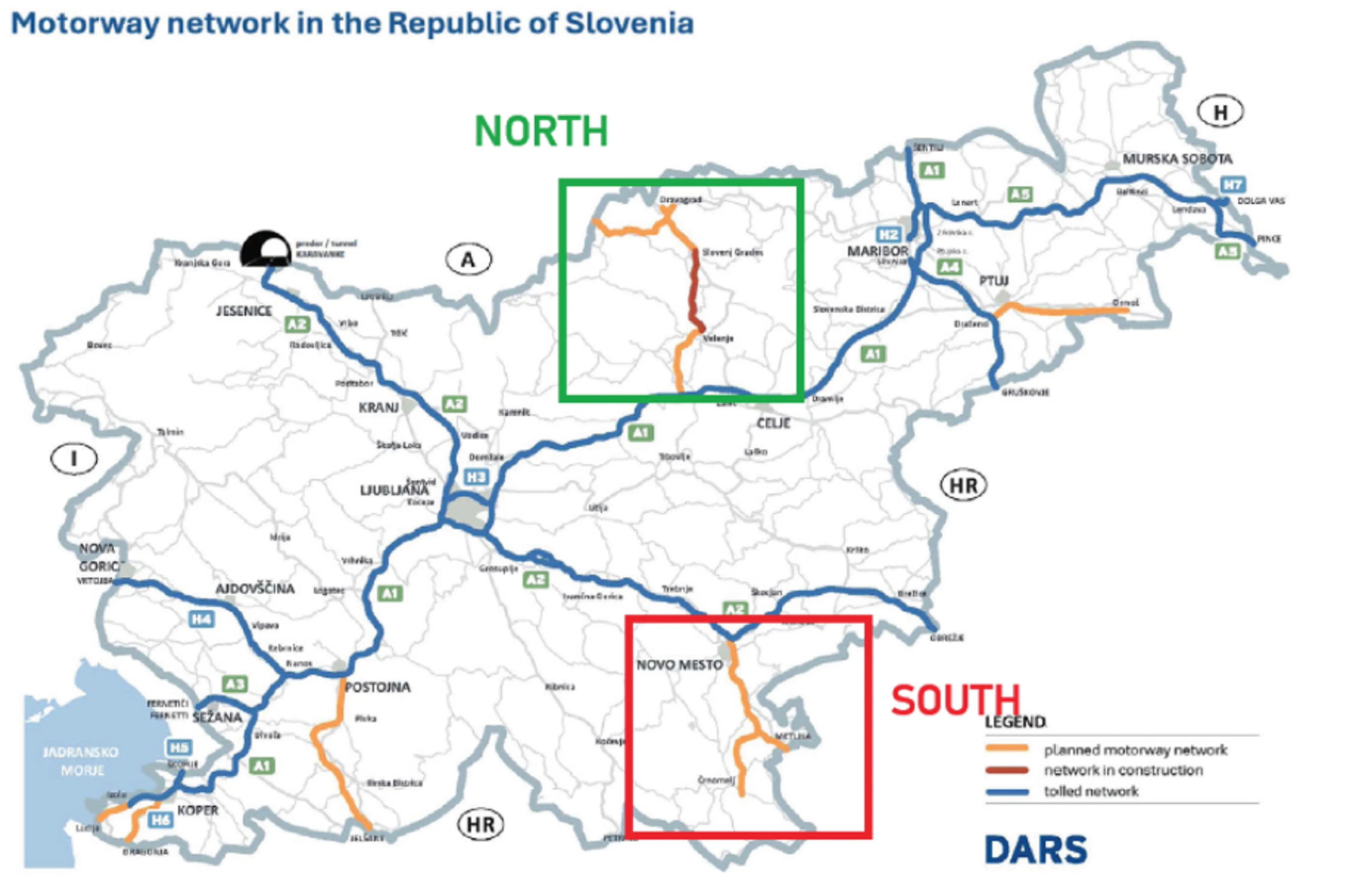
The Third Development Axis (Tretja razvojna os) is one of Slovenia’s most important national transport infrastructure projects and is considered a long-term, phased project, with planning and construction spanning many years (even decades). It is designed to create a new high-capacity road connection running from northern Slovenia (Austrian border) through the interior of the country down to southeastern Slovenia (Croatian border). The main goal of the project is to improve connectivity for regions that have historically been poorly served by motorways.
As part of the project, construction activities—particularly blasting and heavy earthworks—generate ground vibrations and air overpressure that may impact nearby structures. Continuous monitoring and analysis of these parameters are therefore required to ensure compliance with regulatory limits and to protect surrounding buildings and communities.
Approach
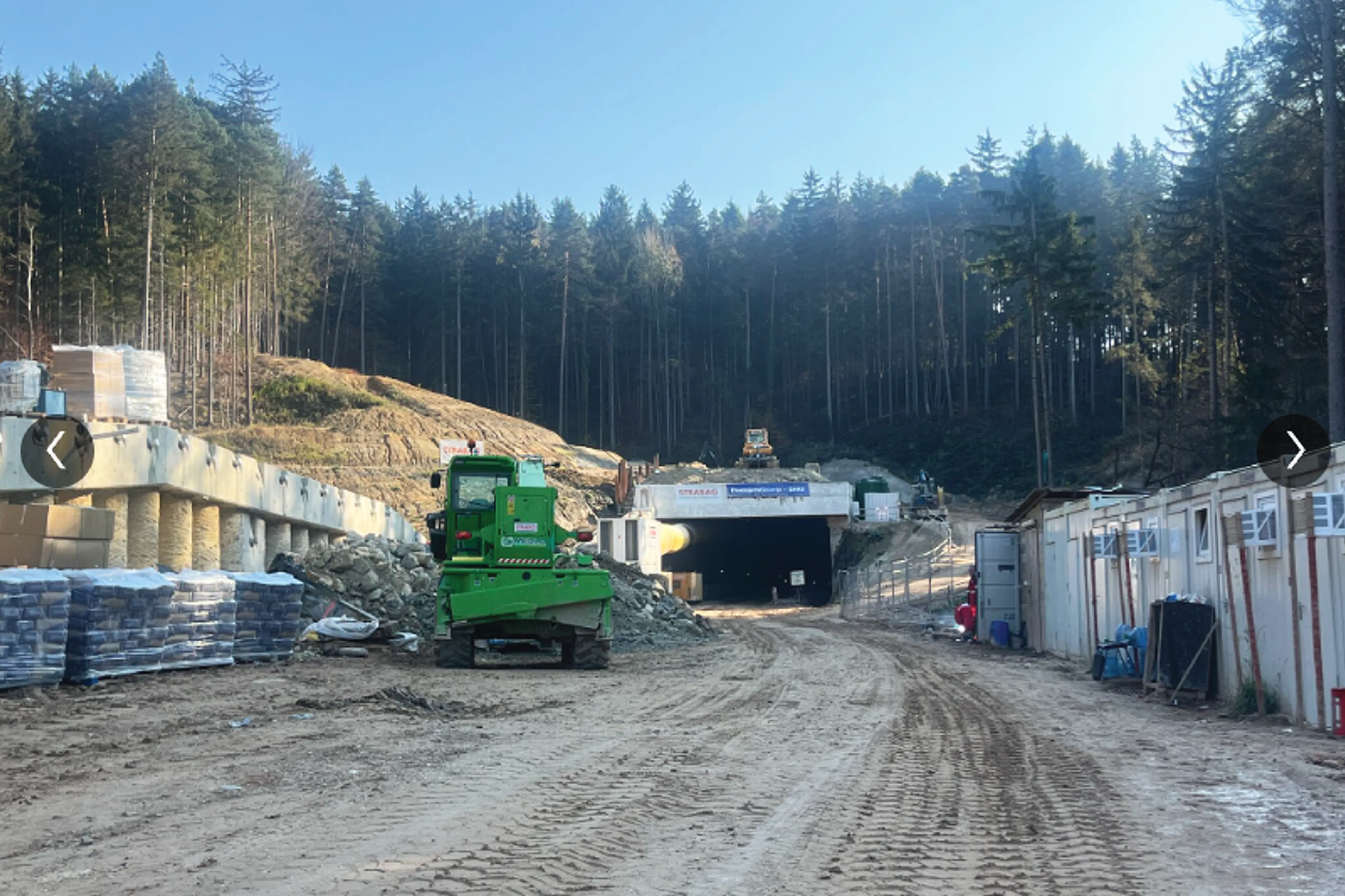
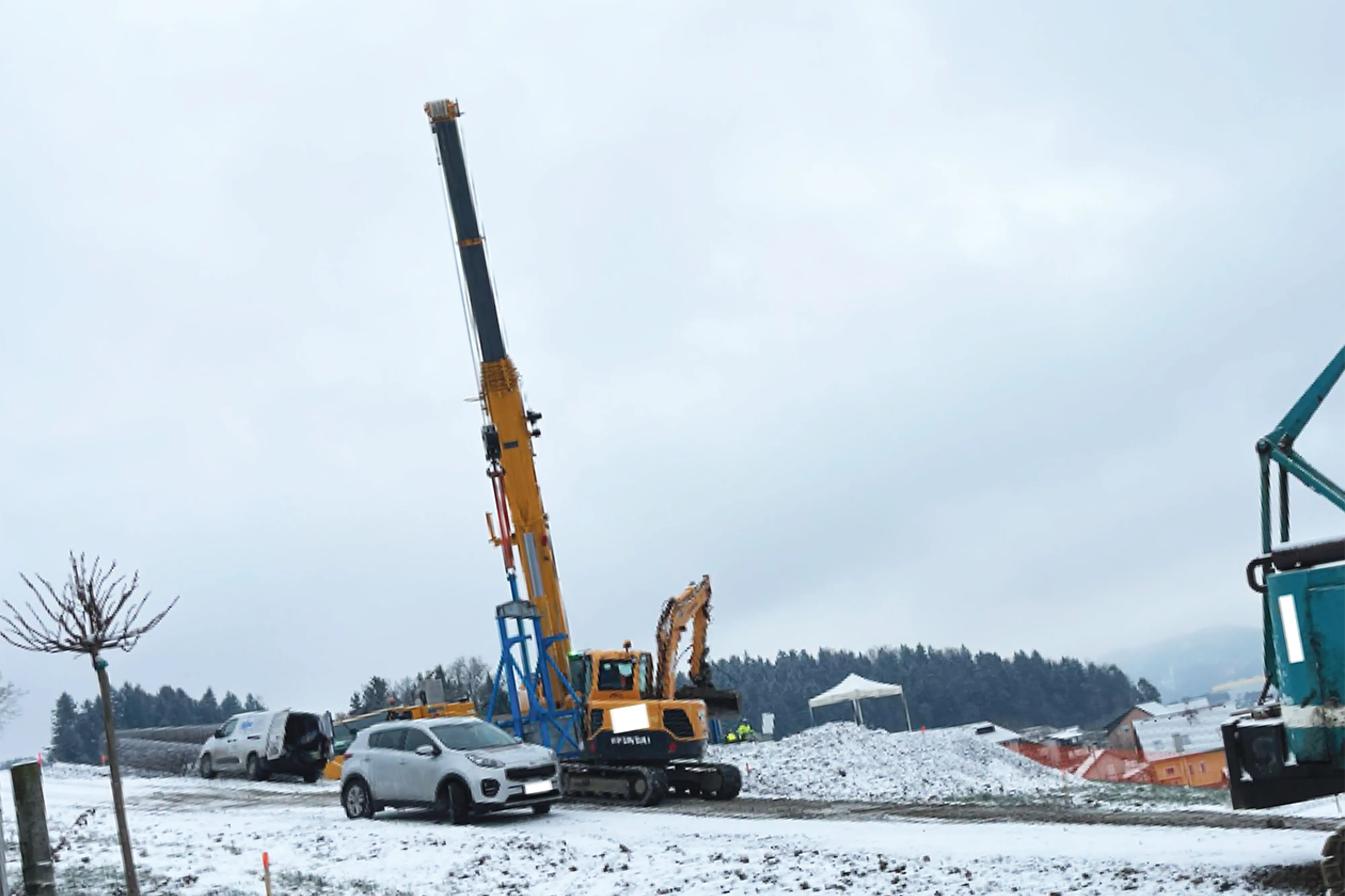
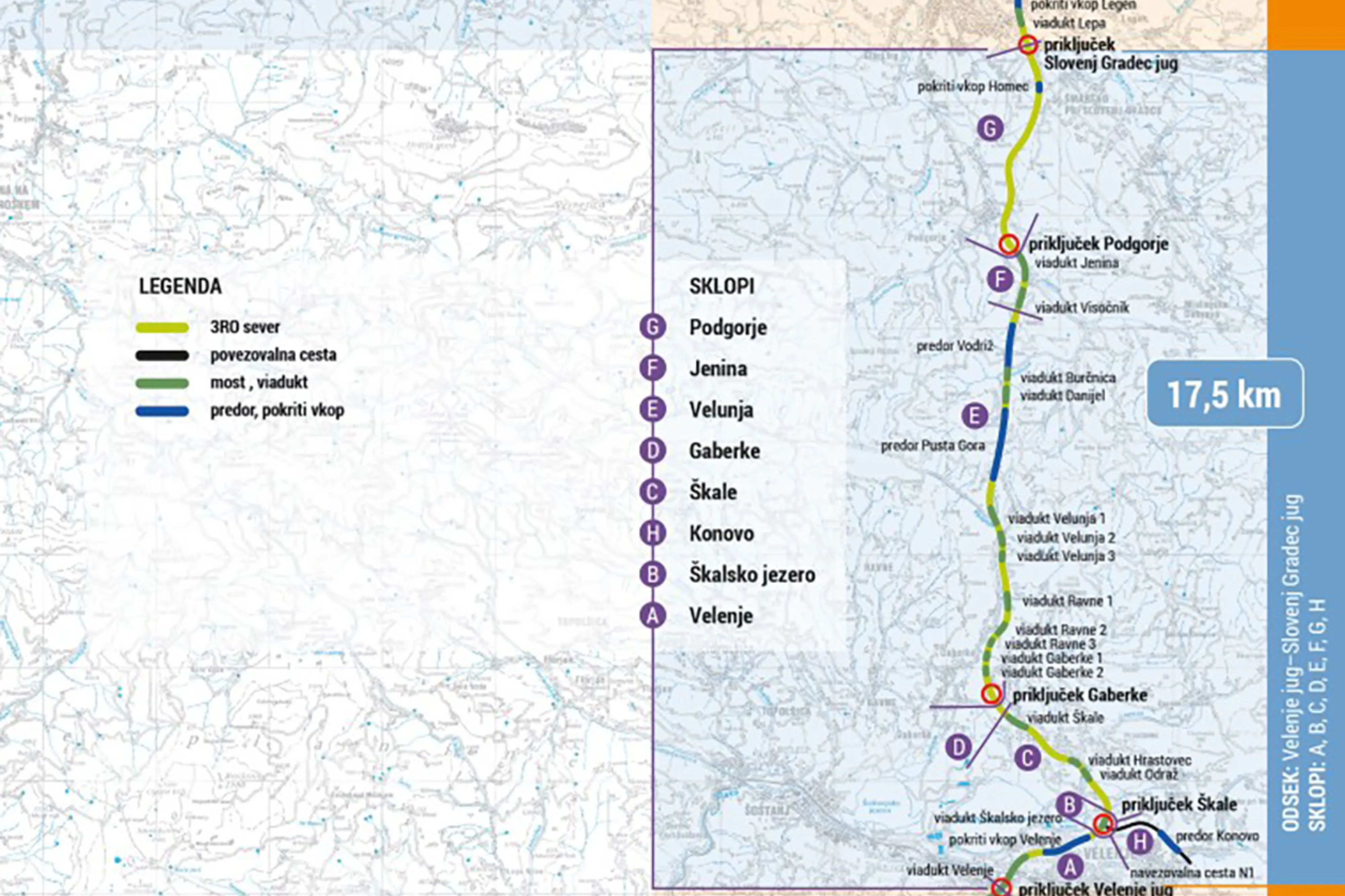
Using Micromate units equipped with DIN triaxial geophones and linear microphones, vibration monitoring campaigns were conducted to measure vibration velocities during preparatory earthworks, including material transport and compaction for access roads, and during dynamic pile load testing for the Škale viaduct foundations. Monitoring activities were scheduled sequentially across different areas, with simpler setups—often a single device—used in locations without nearby residential, commercial, or cultural heritage constraints. In contrast, areas close to residential zones required more stringent controls and additional mitigation measures to protect the quality of life. Blasting operations in rock, such as those carried out during tunnel construction, involved frequent measurements, typically conducted twice daily, while more complex excavation works required continuous 24/7 monitoring with real-time online supervision.
Results
The vibration monitoring campaign was carried out in accordance with DIN 4150-3 to evaluate the effects of blasting, compaction, pile driving, and dynamic load testing associated with tunnel excavation, viaduct, and road construction. Calibrated triaxial geophones were installed at representative locations, with secure coupling to ensure accurate ground-motion transmission. Measurements were recorded as peak particle velocity (PPV) in mm/s in three orthogonal directions (vertical, longitudinal, transverse), with vector sum values calculated and dominant frequencies analyzed to apply the appropriate frequency-dependent criteria.
For structural protection, the conservative DIN 4150-3 Category III limit of 3 mm/s was adopted for sensitive and critical infrastructure components. Throughout all monitoring periods, none of the recorded PPV values exceeded this threshold. Air overpressure was also monitored during blasting operations and remained within prescribed project limits. The results confirm that activities were executed within safe vibration levels, with no adverse impact on the integrity or serviceability of the tunnels and viaduct structures or impact on surrounding structures and residents.
Conclusion
No recorded peak particle velocity (PPV) values exceeded the 3 mm/s threshold during any monitoring period, and air overpressure measurements taken during blasting operations consistently remained within the prescribed project limits. These results confirm that all construction activities were carried out within safe vibration parameters, with no adverse impact on the structural integrity of nearby buildings or on the well-being of residents.