Oil & Gas Exploration
Vibroseis trucks used in oil and gas exploration product vibration that, when high enough, can cause damage to nearby homes, buildings and other structures.
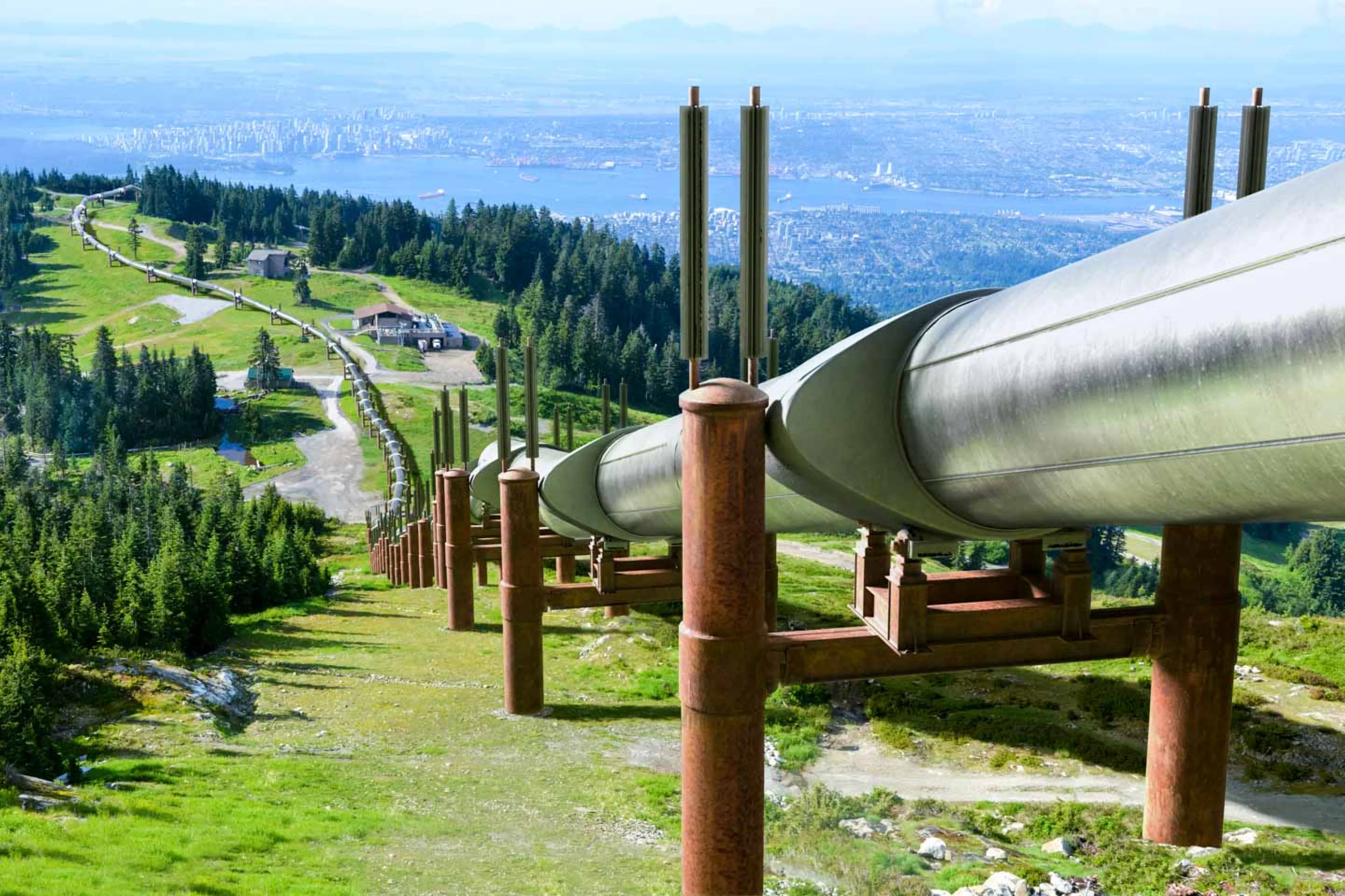
Why Monitor Your Oil & Gas Exploration Project?
Oil and gas exploration involves identifying subsurface petroleum deposits that can be economically extracted. One widely used exploration method is seismic surveying, which generates controlled vibrations at the ground surface to image geological formations below. In this process, vibrations are introduced into the ground and travel through subsurface layers. When these waves encounter changes in soil or rock type, density, or stiffness, part of the energy is reflected to the surface. By recording the time it takes for the reflected waves to return, geophysicists can analyze the subsurface structure and generate a seismic profile. Variations in wave travel time and reflection characteristics help identify potential hydrocarbon reservoirs.
The equipment commonly used to generate these controlled vibrations is known as a vibroseis or seismic vibrator truck. These vehicles apply a large oscillating mass to the ground surface, producing low-frequency vibrations over a controlled frequency range. When vibroseis trucks operate in urban or developed areas, concerns may arise regarding the potential for vibration-induced damage to nearby homes, buildings, and infrastructure. As a result, vibration monitoring and adherence to established guidelines are often implemented to ensure structural safety.
How Instantel Can Help
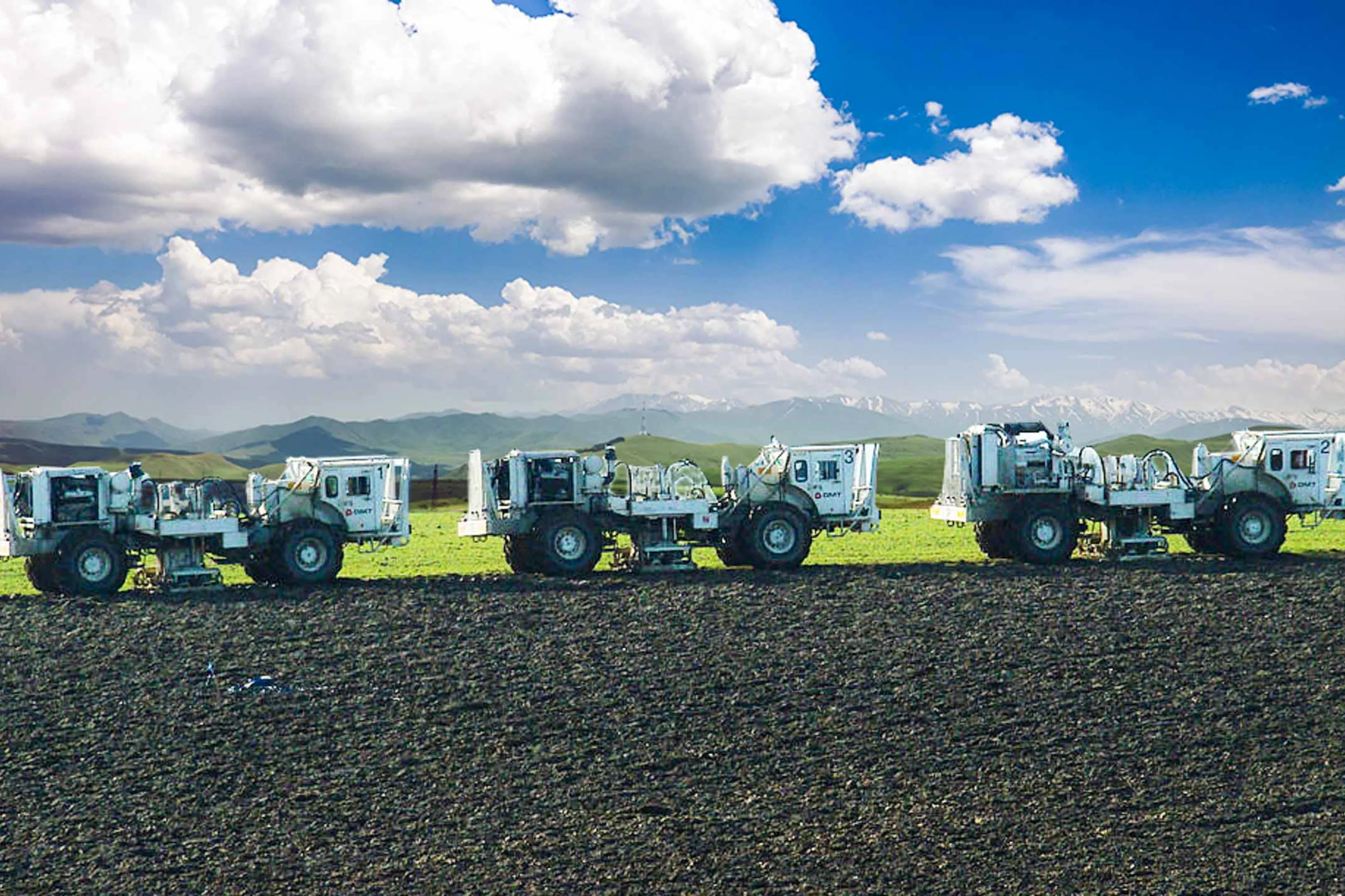
Instantel monitoring equipment can be used to record and monitor the vibration levels generated by vibroseis trucks during seismic surveys. When monitors are strategically positioned between the vibration source and nearby urban developments, the recorded data provides objective evidence if the ground motion levels reach homes and structures. This data can be used to determine whether vibration levels remained within established regulatory or industry damage criteria, helping to assess whether any structural impact is likely to have occurred. It also serves as defensible documentation in the event of complaints or claims.
Understandably, homeowners may become concerned when they feel ground vibrations or hear items such as dishes or cabinets rattling. However, perceptible vibrations are not necessarily indicative of structural damage. By implementing vibration monitoring as a standard practice, oil and gas exploration companies can proactively address community concerns, demonstrate compliance with applicable guidelines, and reduce the risk of liability claims and financial penalties.
| 
| 
| 
|
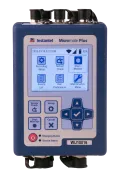
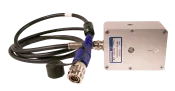
Micromate Plus | Triaxial Geophone | Linear Microphone | Sound Level Microphone |
Robust, reliable monitoring unit with built-in features, including Wi-Fi and cellular modem, GPS, battery, and solar charge controller. | One geophone measures to ISEE standards (2 - 250 Hz) and DIN standards (1 - 315 Hz and 1 - 80 Hz). | Measures air overpressure on a linear scale from 2 Hz to 250 Hz with a range up to 1000 Pa (0.145 psi or 154 dB). Calibrated to the ISEE-2022 standard. | Class 1 sound/noise microphone. Measures sound/noise levels in decibels and audio clips. Up to 20 kHz with a range of 30 to 140 dB. Calibrated to the ISEE 61672-1 standard. |
| Learn more about the Micromate Plus | |||
Connecting to Instantel Software Systems
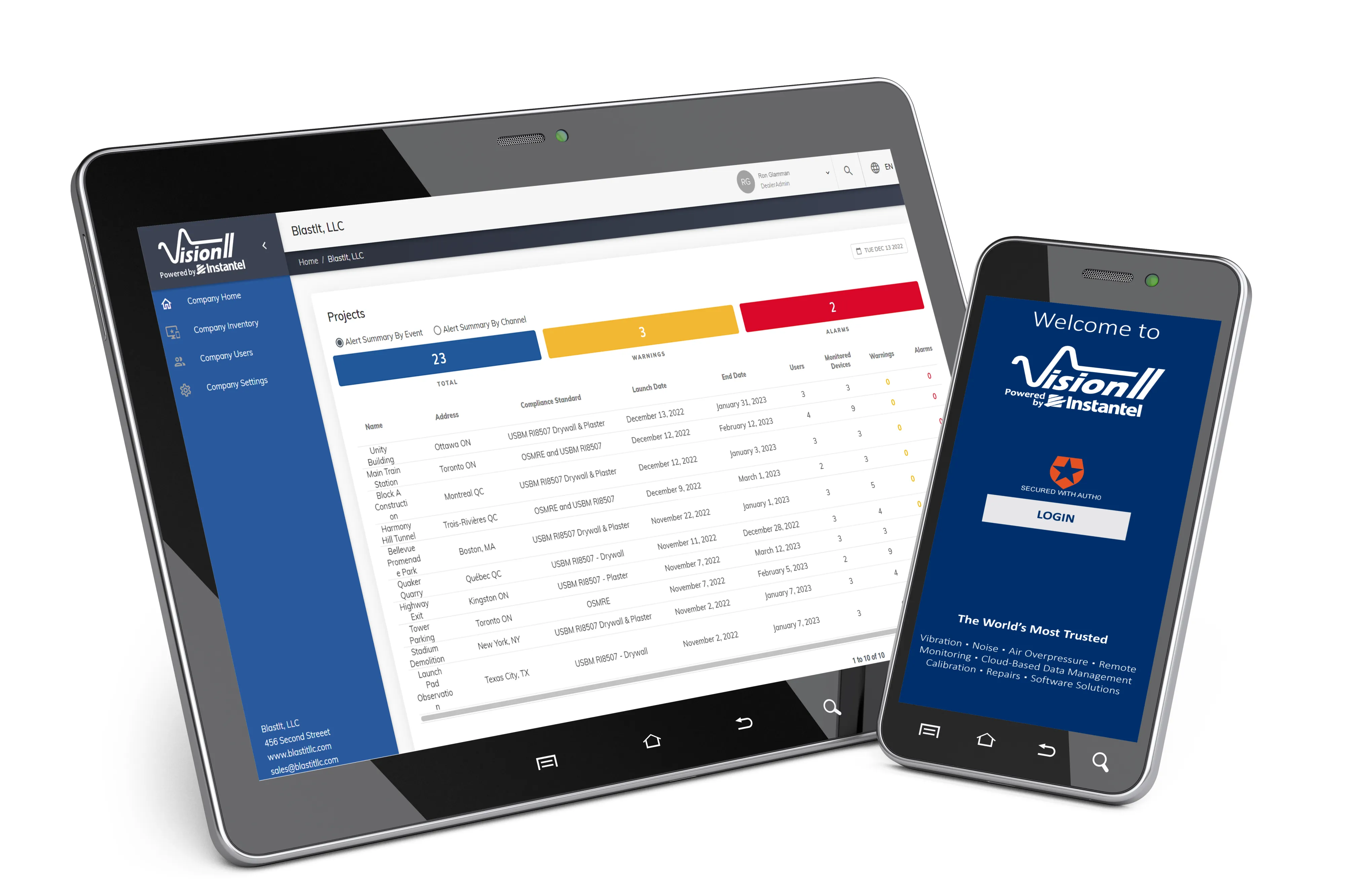
The Micromate Plus system integrates a vibration monitoring unit with a precision triaxial geophone to accurately measure ground vibration levels. By adding a microphone, the system can simultaneously monitor and record noise, providing a comprehensive assessment of both vibration and acoustic impacts. With Vision II and its Live Data capability, recorded measurements can be viewed in real time, allowing you to evaluate conditions as activities occur. This immediate access to data enables proactive adjustments to operations before regulatory limits are exceeded or community concerns arise.
Customizable warning and alarm thresholds can be configured for each project, ensuring compliance with site-specific requirements. When trigger levels are reached, automated notifications can be sent to designated recipients and accessed on computers, laptops, tablets, or smartphones. Projects can be set based on locations, cities, or any other criteria you choose, with event data specific to that project. All recorded data is securely stored, creating a detailed historical record that can be used to demonstrate compliance, address complaints, and protect against future claims or liability.