News & Events
Find out more about the latest updates on products, solutions, and event participation.
October 2026

Sales & Supporting Functions – The People Powering our Success
Behind every vibration monitoring solution, every customer relationship, and every business milestone is a team of dedicated professionals working together to move Instantel forward.
While our products are recognized around the world, the success behind them is driven by the people who support every stage of the customer journey. From Sales and Marketing to Finance, Legal, HR, Accounting, Customer Support, and Administrative teams, these professionals provide the expertise, organization, and collaboration that help us deliver exceptional results.
Sales and Marketing: Creating Value Through Every Customer Interaction
Our Sales team serves as the connection between our solutions and the customers who rely on them. Working across regions and industries, these professionals take the time to understand unique customer challenges and recommend solutions that deliver real value. They cultivate long-term relationships with dealers, serving as trusted advisors every step of the way. By understanding market trends and customer needs, they help ensure Instantel remains responsive, innovative, and focused on delivering exceptional service. Through their commitment to partnership and customer success, our Sales team helps expand our global reach while strengthening the trust that customers place in the Instantel name.
Supporting these efforts, our Marketing team provides educational resources, industry insights, product information, and customer communications that help organizations stay informed about best practices and emerging trends. Through events, digital content, and technical resources, they make it easier for customers to access the knowledge they need to achieve successful project outcomes.
Together, Sales and Marketing focus on delivering a customer experience that extends beyond a product purchase. By combining industry expertise, responsive support, and clear communication, they help customers achieve their objectives, reduce uncertainty, and gain confidence in the monitoring solutions they depend on every day.
Customer Support: The Strength Behind Every Customer Experience
Exceptional products are only part of a great customer experience. Our Customer Support team plays a vital role in ensuring customers receive the timely assistance they need to keep their operations running smoothly. Often serving as the first point of contact, these professionals help create a seamless experience by responding quickly and efficiently to inquiries.
From processing orders and answering product and service questions to managing calibration and repair requests, the team works diligently to ensure every customer receives prompt, accurate, and professional support. Their attention to detail helps customers access the products and services they need while minimizing delays and keeping projects on track.
Through their commitment to responsiveness, organization, and customer care, our Customer Support team helps build confidence in every interaction and reinforces the trusted service experience customers have come to expect from Instantel.
Supporting Functions: The Foundation of Our Operations
Behind every successful customer interaction is a network of professionals whose contributions keep our business running smoothly. Our Finance, Legal, HR, Accounting, Administrative, and other supporting teams provide the structure, governance, and operational excellence that enable the organization to thrive.
These teams manage critical processes, maintain compliance, support strategic decision-making, coordinate resources, and ensure the business operates efficiently and responsibly. Though much of their work takes place behind the scenes, its impact is felt throughout the organization. Their efforts enable collaboration, improve efficiency, and help position Instantel for long-term success.
Celebrating Excellence Across Every Function
While Instantel products are used around the world, our success ultimately comes from the dedication of the people behind them. Every team member contributes to our mission of delivering reliable monitoring solutions and exceptional customer experiences.
As we celebrate Sales & Supporting Functions Appreciation Month, we extend our sincere thanks to everyone across Sales, Marketing, Customer Support, Finance, Legal, HR, Accounting, Administrative Services, and other support functions. Your professionalism, expertise, and commitment continue to drive progress, strengthen customer relationships, and ensure we remain The World’s Most Trusted.
Upcoming Events
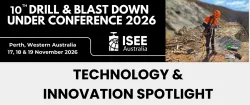
International Society of Explosives Engineers Australia
November 17 to 19, Perth, Australia
Product News and Updates
Contact your local Dealer for updated calibration information.