Underground Mines
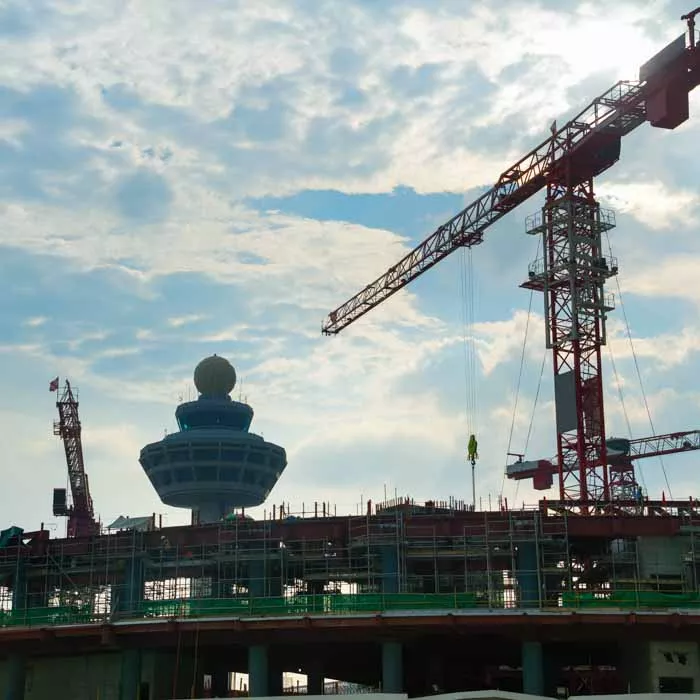
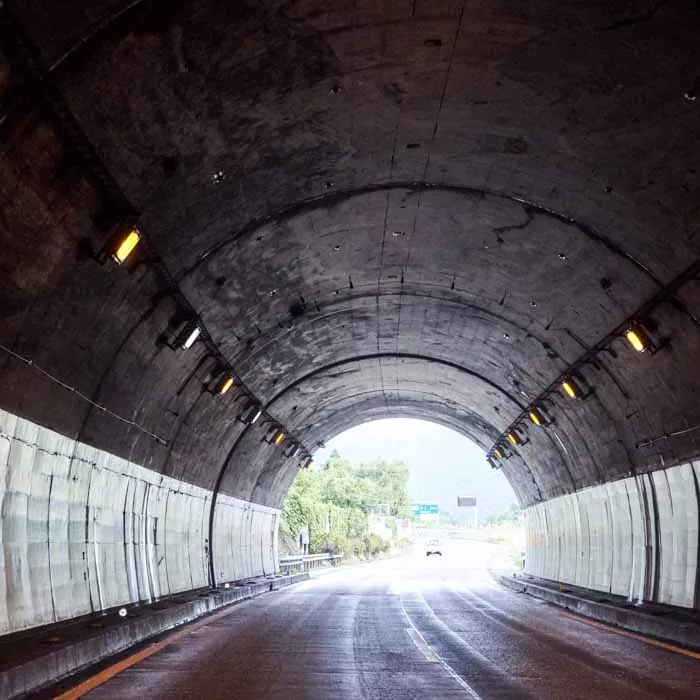
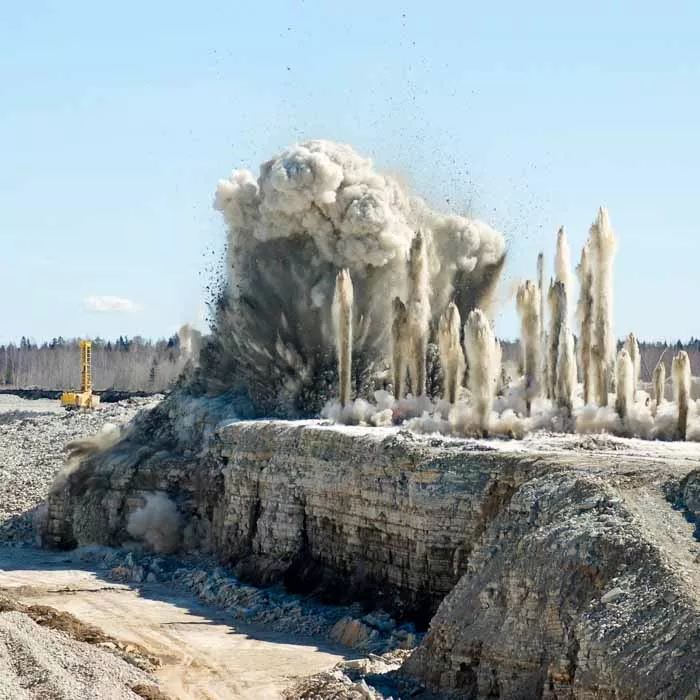
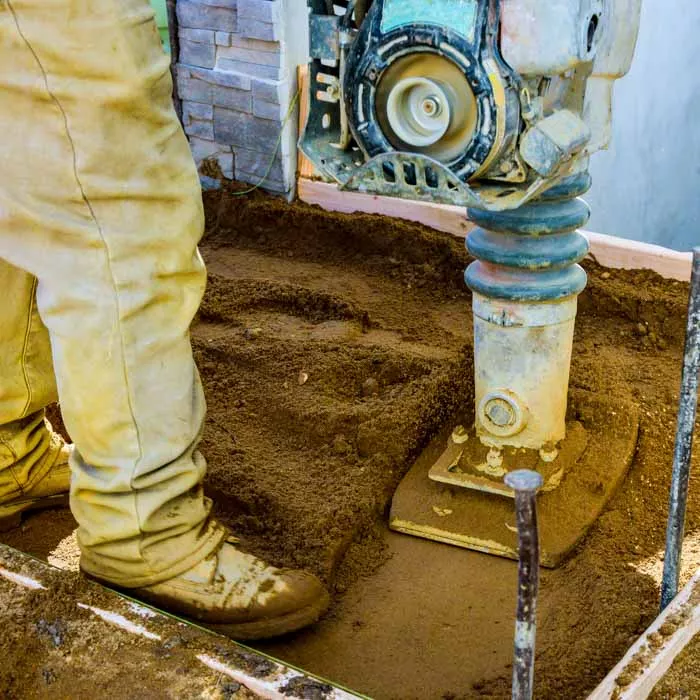
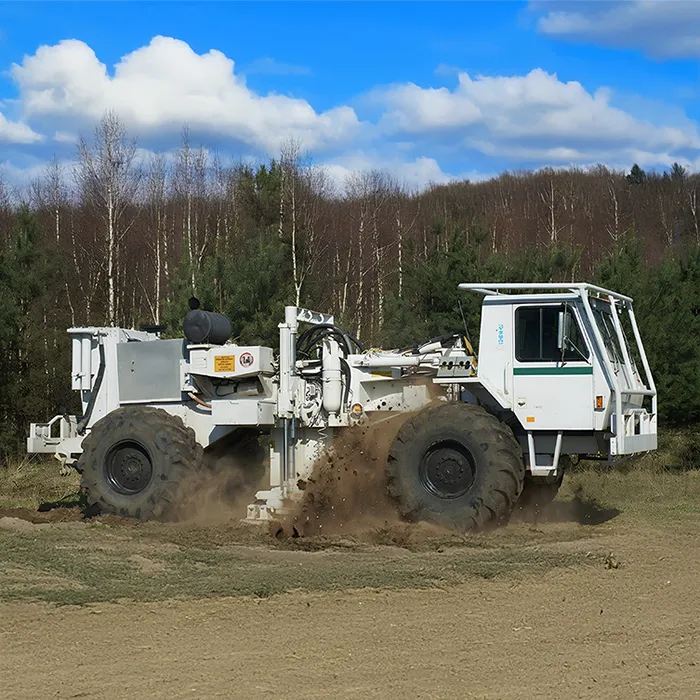
Ground vibrations and air overpressure from blasting can cause damage to slopes, tunnels and other structures both above and below ground.
Why Monitor Your Underground Mine?
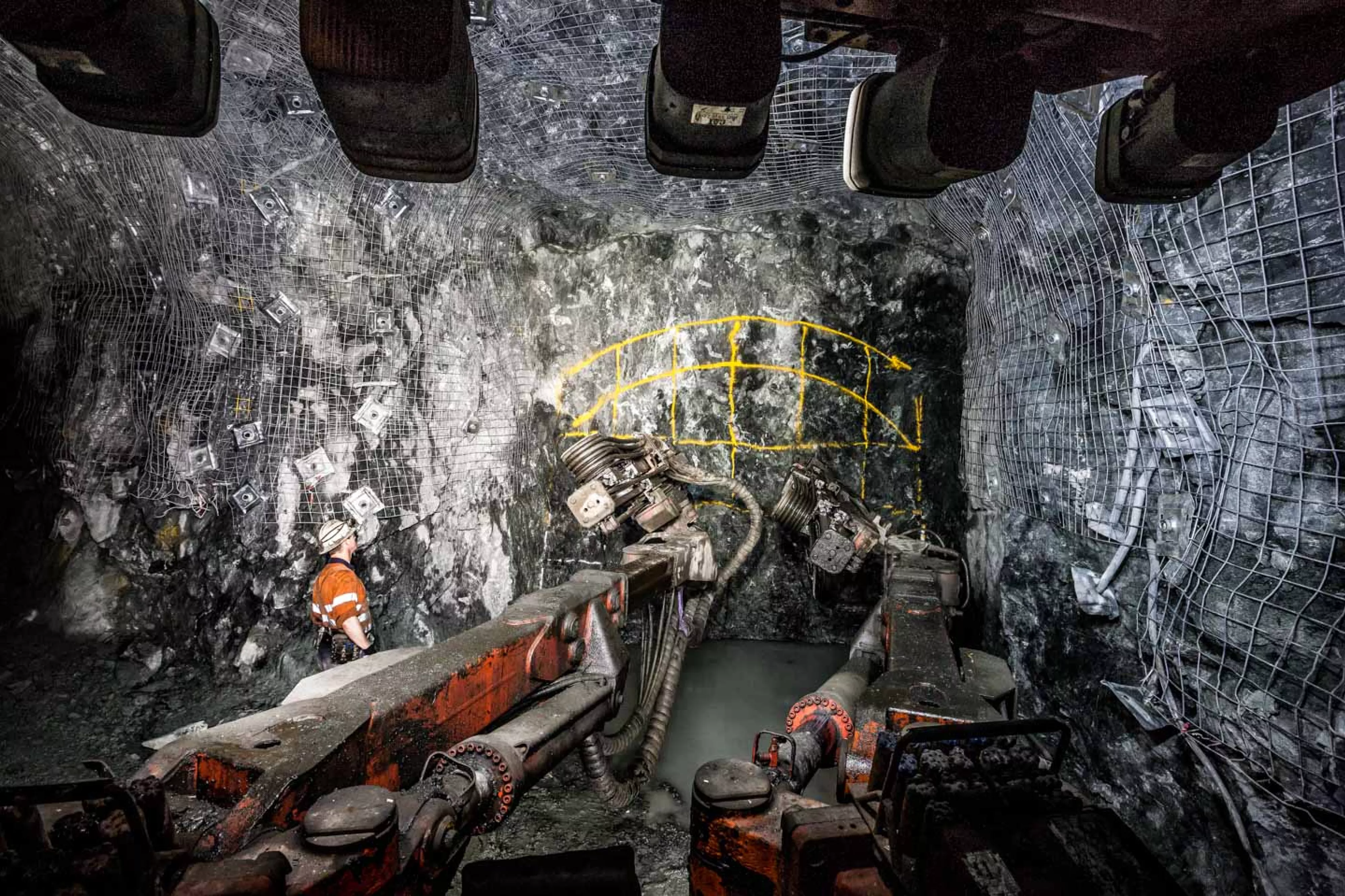
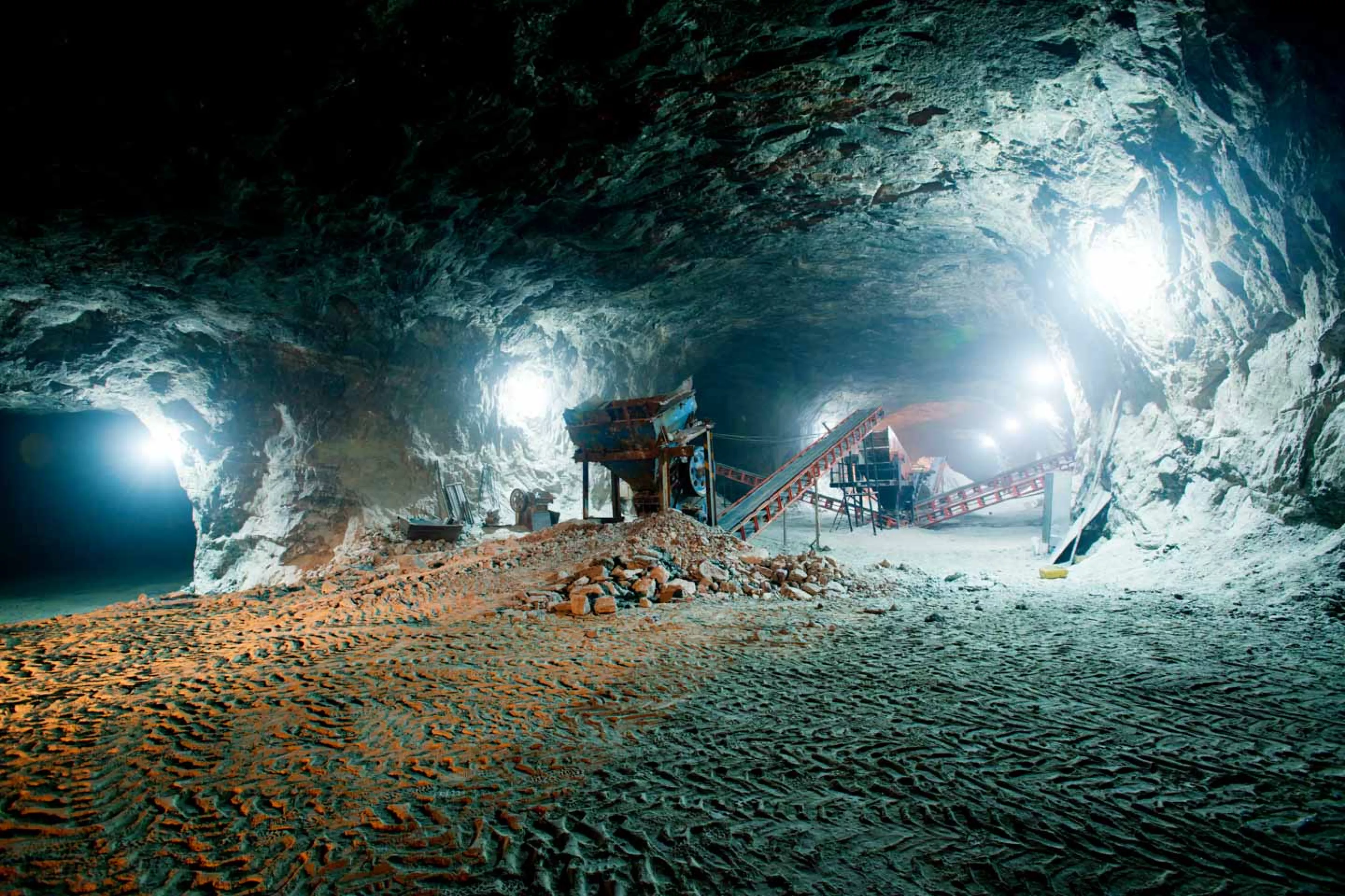
Underground mining involves removing rock or minerals that cannot be accessed from the surface, which requires creating tunnels or levels by blasting or drilling through the rock. These activities generate ground vibrations that travel outward from the source, and when strong enough, can damage nearby structures such as other levels, offices, conveyor systems, and ventilation or elevator shafts. In urban or developed areas, these vibrations can even affect surface structures like homes, office buildings, and roads. Blasting also produces air overpressure—a rapid, forceful wave of air—that can break windows, damage equipment, and impact surrounding infrastructure. In the confined spaces of a mine, air overpressure effects become amplified, and at extreme levels, can be powerful enough to blow the doors off shafts.
As underground mining has become more complex than ever, it is essential to have a monitoring system capable of managing these growing challenges. Access to secure data 24/7/365 and reliable vibration monitoring offers valuable insight into the current and future condition of the mine and its adjoining structures. Strategically placed sensors and data loggers continuously transmit event data to software platforms for real-time tracking across the entire mining operation, ensuring compliance with regulations related to both structural safety and human exposure. With the increased scrutiny on underground mining operations—both during operations and even in the assessment of long-term effects— comprehensive underground monitoring has become essential for safe, transparent, and responsible mining practices.
How Instantel Can Help
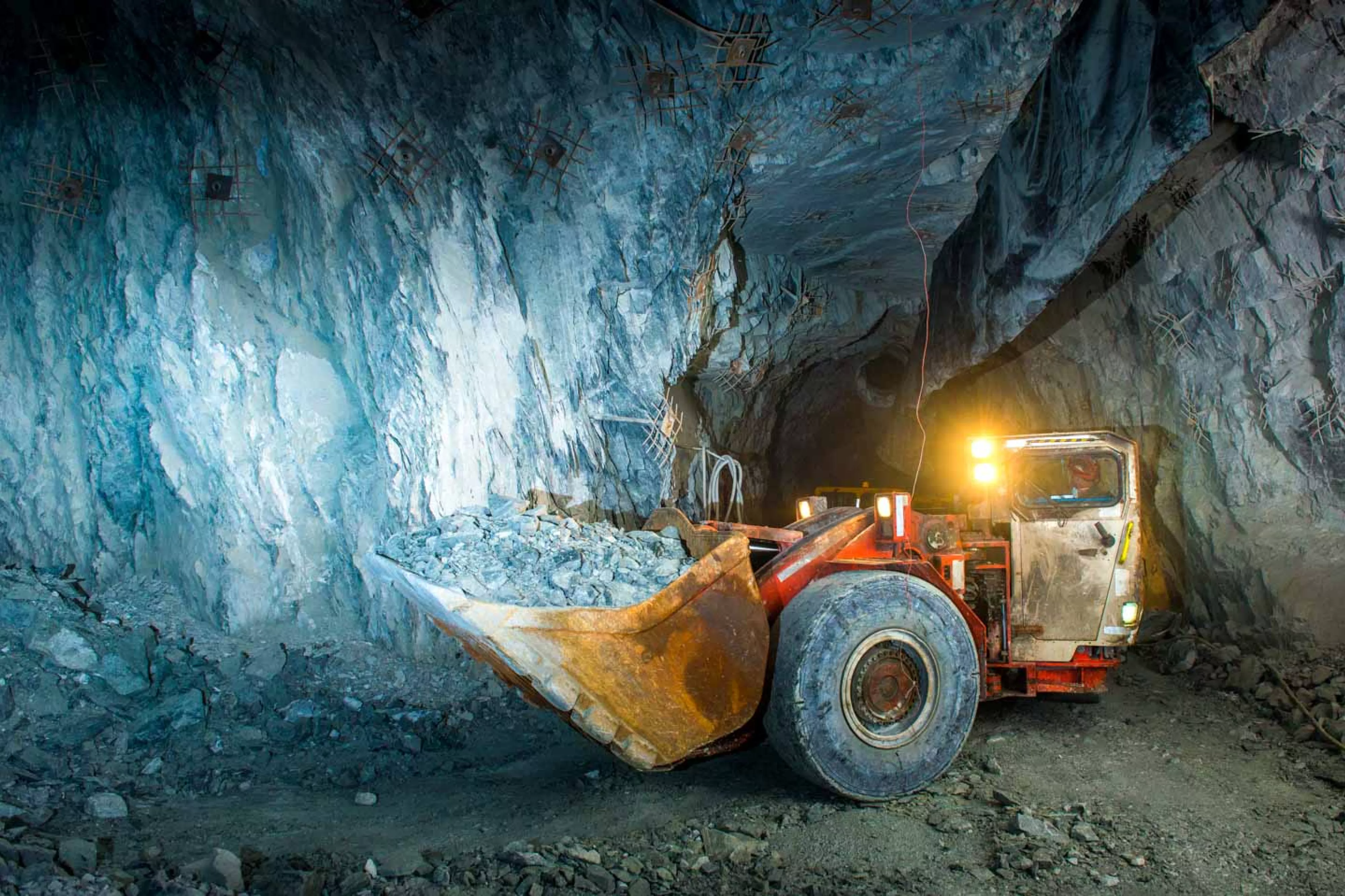
Industry standards have been established to define safe limits for vibration and air overpressure generated during mining activities such as blasting. The Instantel monitoring system pairs the Micromate Plus unit with a versatile range of sensors to simultaneously capture vibration, noise, and air overpressure, with real-time data reporting powered by Vision II software. With Live Data—a Vision II feature—blast or drilling events can be viewed as they occur, enabling quick, proactive responses and helping ensure continued compliance with regulatory guidelines.
For some mining projects, public transparency is a requirement—and Vision II makes it easy to deliver. Data collected from mining operations can be securely shared with relevant stakeholders, while automated email notifications alert individuals when vibration levels reach warning thresholds, enabling preventive actions to be taken before exceedances occur. Authorized users can review recorded data by day, week, month, or any custom time period, and generate shareable reports for regulatory officials to clearly demonstrate compliance.
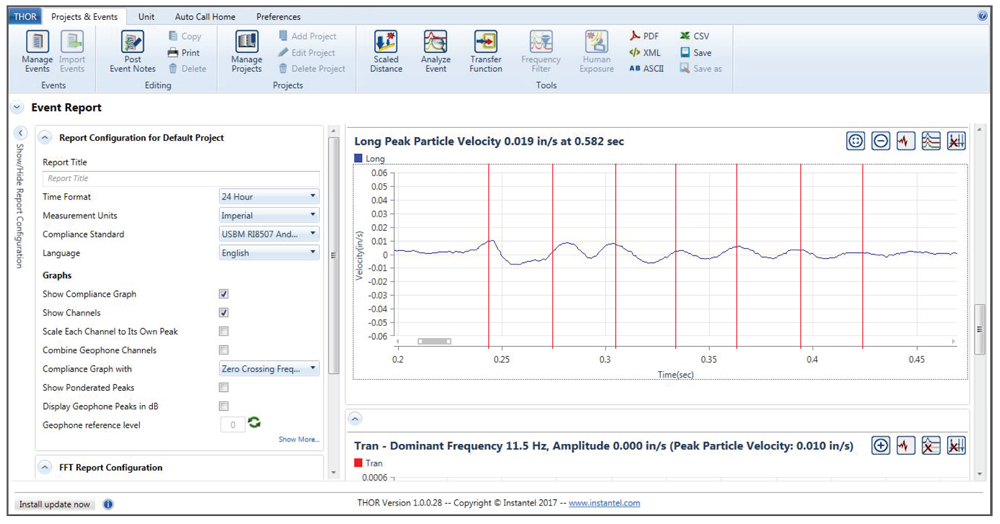
For deeper insight and optimized blast performance, THOR Advanced analysis software offers advanced tools and high-frequency sampling, allowing teams to evaluate waveforms in detail. Place markers on the waveform to indicate when each hole was detonated, showing the exact velocity at a specific time. Perform frequency analysis and truncate the waveforms to isolate vibrations produced by each hole, or overlay the blast timing patterns over the recorded waveforms as a comparison. This level of analysis supports more efficient blasting practices that minimize community impact, protect the environment, and keep projects on schedule.
| 
| 
| 
|
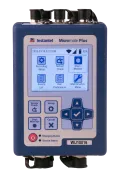
Micromate Plus | Triaxial Geophone | Linear Microphone | Sound Level Microphone |
Robust, reliable monitoring unit with built-in features, including Wi-Fi and cellular modem, GPS, battery, and solar charge controller. | One geophone measures to ISEE standards (2 - 250 Hz) and DIN standards (1 - 315 Hz and 1 - 80 Hz). | Measures air overpressure on a linear scale from 2 Hz to 250 Hz with a range up to 1000 Pa (0.145 psi or 154 dB). Calibrated to the ISEE-2022 standard. | Class 1 sound/noise microphone. Measures sound/noise levels in decibels and audio clips. Up to 20 kHz with a range of 30 to 140 dB. Calibrated to the ISEE 61672-1 standard. |
| Learn more about the Micromate Plus | |||
Regulatory Compliance (Far-Field) Monitoring
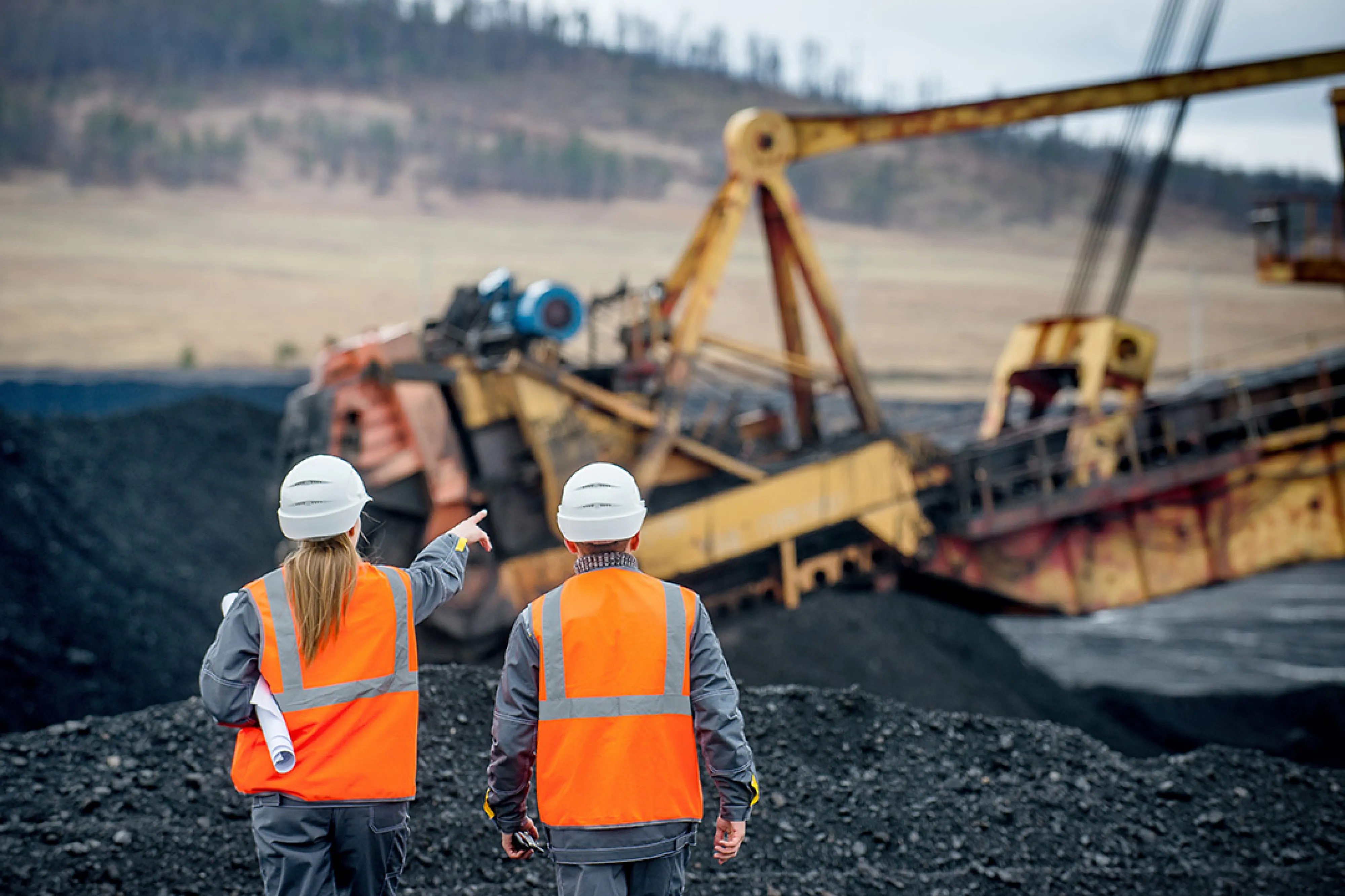
Municipal, state, and federal laws regulate vibration and noise monitoring, but in most cases, it is the mine’s responsibility to measure and manage the levels produced by its activities. Maintaining regulatory compliance is especially important for mines operating in or near urban environments, where best-practice monitoring helps address community concerns. When homeowners or building occupants feel the effects of blasting, they naturally worry that their property may be damaged—making accurate, transparent monitoring essential. In mining, monitoring can take place in two zones: near-field, which occurs close to the blast source, and far-field, which is conducted at greater distances. The monitoring zone determines the type of equipment best suited for the project and the type of data required. The Instantel system is built to scale with these needs. If you only require vibration monitoring today but need to add noise monitoring tomorrow, you can simply integrate a sound level microphone. The Micromate Plus system captures vibration, noise, and air overpressure simultaneously with precise time synchronization, providing a comprehensive, flexible monitoring solution as your project evolves.
Connecting with Instantel Software Systems
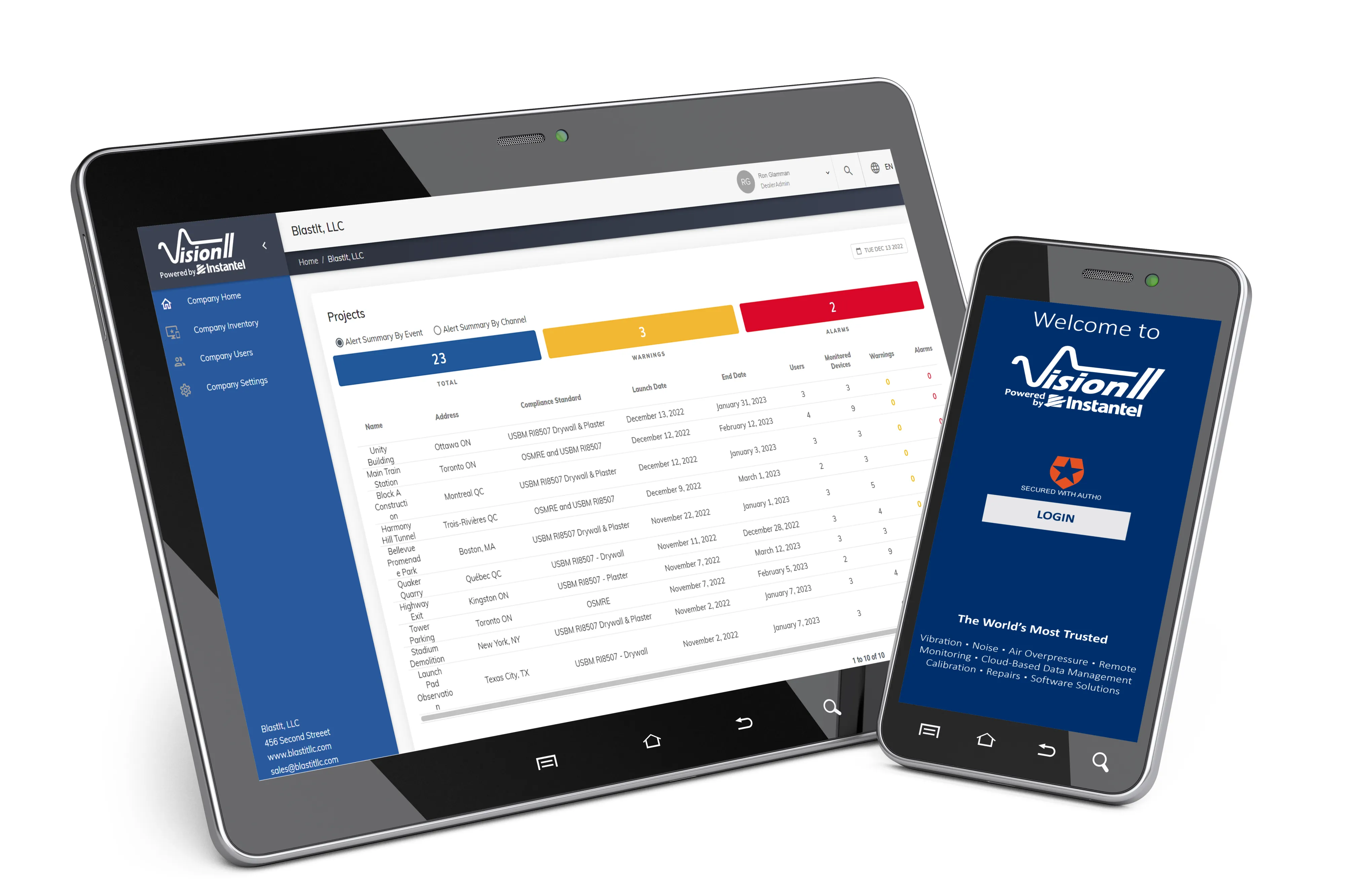
Instantel monitoring equipment is engineered for durability and long-term deployment, making it ideal for permanent installations over the duration of a mining project. Data captured by the system is transmitted in real time and accessible through Vision II, our secure, cloud-based platform, from any internet-connected device.
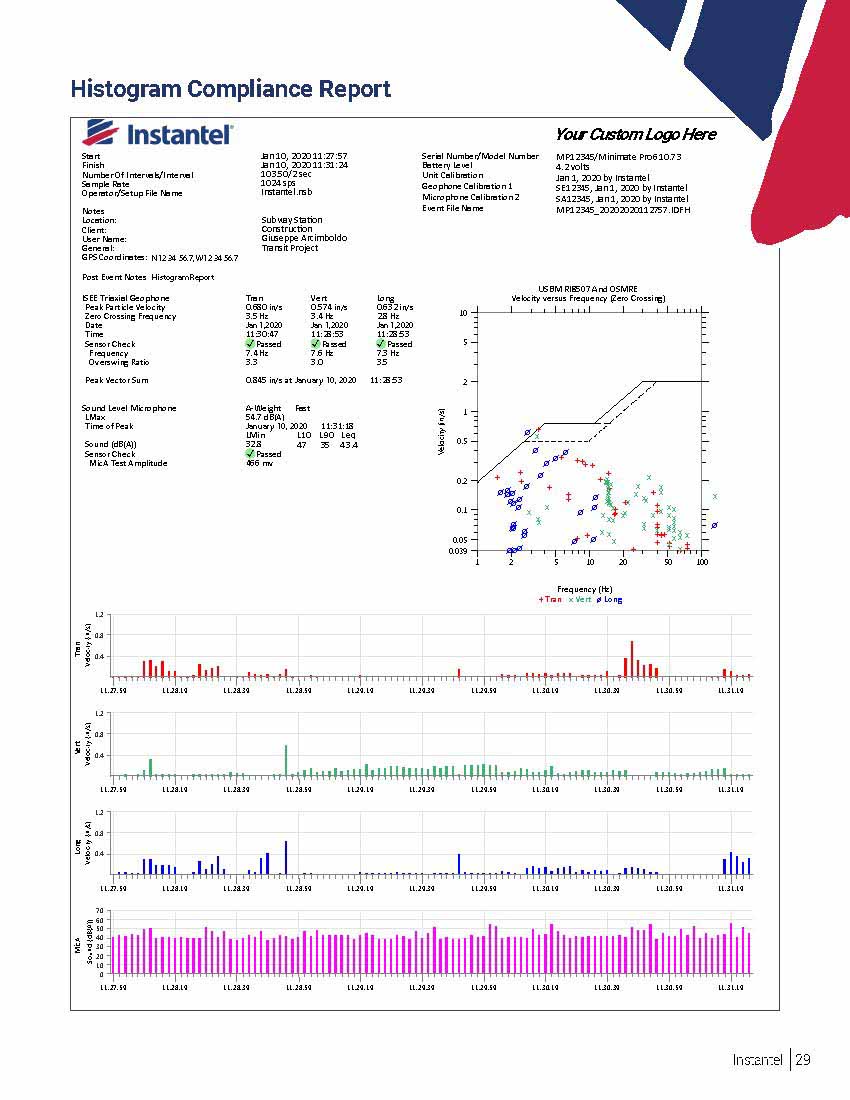
Vision II provides full remote device management capabilities, allowing users to program or adjust monitoring schedules, check battery and memory status, retrieve recorded events, and perform firmware updates—all without needing to access the device onsite. For projects requiring continuous oversight, Vision II supports 24/7 automated data sharing. Devices can be configured to record in Histogram-Combo mode continuously, capturing background vibration levels while still generating detailed waveform reports for events that exceed defined trigger thresholds. The histogram event reports deliver peak particle velocity (PPV) values at set intervals, ensuring comprehensive vibration profiling throughout the monitoring period. With a Sound Level microphone installed, not only can the noise decibel levels be recorded, but also audio clips to identify the source of the noise.
For more advanced monitoring, the THOR Advanced desktop platform supports high-frequency sensors capable of capturing up to 65,536 samples per second. This higher-resolution data reduces uncertainty and makes it easier to distinguish between blast-induced vibrations. Because delay intervals between charges are often only milliseconds, more precise velocity measurements significantly improve the accuracy of distance and timing calculations. All Instantel systems are designed for remote configuration and autonomous operation, backed by rigorous manufacturing standards and certified calibration for maximum reliability and data integrity.
Near-Field Monitoring
Recording vibration or air overpressure data close to the blast location—known as near-field monitoring—is valuable not only for blast design but also for assessing the integrity of nearby underground structures. In a mine, near-field monitoring can help evaluate the condition of adjacent levels, elevator and ventilation shafts, offices, and other critical infrastructure or equipment. Using data from an Instantel monitoring system, engineers can adjust blast designs to reduce vibration and air overpressure levels or refine timing and charge placement to achieve more controlled rock fragmentation.
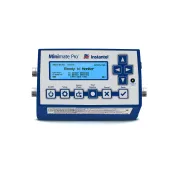
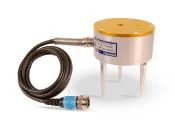
Because vibration and air overpressure waves exhibit higher frequencies closer to the blast, specialized sensors are required to capture the full waveform. The Instantel High Frequency Geophone measures vibrations from 30 Hz to 1000 Hz, ensuring that all necessary frequencies are recorded. The Minimate Pro unit captures this data at up to 65,536 samples per second, providing high-resolution waveforms that result in more accurate vibration measurements. Since effective blast design depends heavily on precise timing and accurate calculations of charge separation, this level of detail directly improves the reliability of distance and delay measurements.
Air overpressure can also reach extreme levels underground, sometimes strong enough to blow doors off shafts or damage offices and equipment. Because confined spaces in mines can amplify overpressure effects, Instantel’s High Pressure Microphone allows for accurate measurement of frequencies from 5 to 1000 Hz and pressures up to 69 kPa. And with the Instantel system’s scalable design, the High Pressure Microphone can be added to the Minimate Pro whenever needed, providing flexibility as monitoring requirements evolve.
| 
| 
| 
|
Minimate Pro4 | High Frequency Geophone | High Pressure Microphone | Linear Microphone |
Monitoring unit with four available channels: three channels for recording vibration on three planes and one channel for air overpressure or noise data. | Records high frequency vibrations in three planes: transverse, vertical and longitudinal. | Measures air overpressure in close proximity or in confined blasting situations. | Records air overpressure on a linear scale from 2 to 250 Hz with a range of 100 to 148 dB(L) (2 to 500 Pa). |
| Learn more about the Minimate Pro Series | |||
Connecting the Minimate Pro Series to THOR Advanced
With Instantel’s THOR Advanced desktop software, you can perform detailed post-processing of recorded event data. THOR Advanced allows you to place markers on the waveform to identify the exact moment each hole detonates and view the corresponding particle velocity at that point in time. Its advanced analysis tools enable you to perform frequency analysis and truncate waveforms to isolate vibrations produced by individual holes. You can also overlay the planned blast timing pattern onto the recorded data for direct comparison. This makes it easy to verify whether each hole fired according to the blast design and to diagnose any timing or sequencing issues.