Blasting
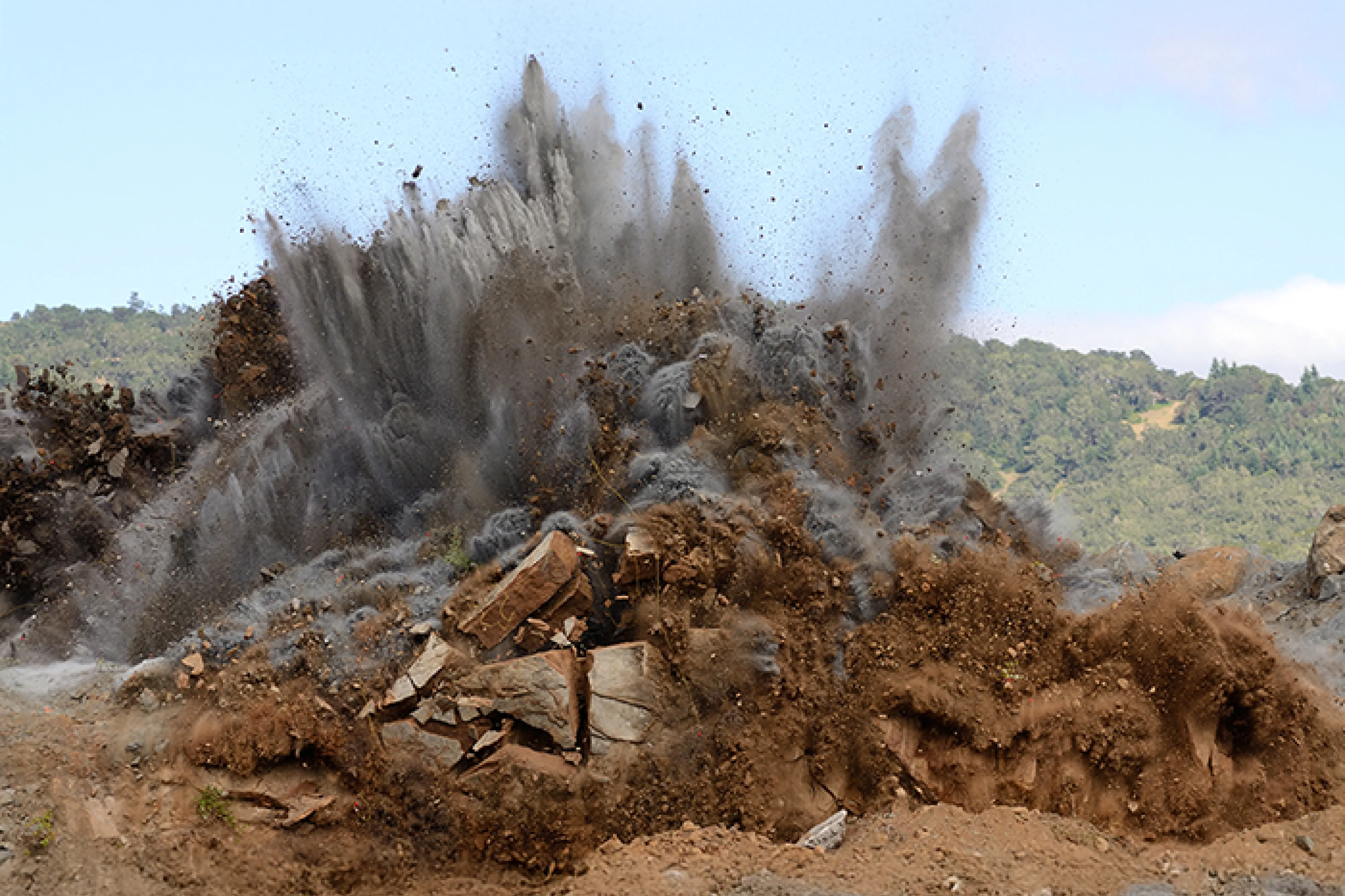
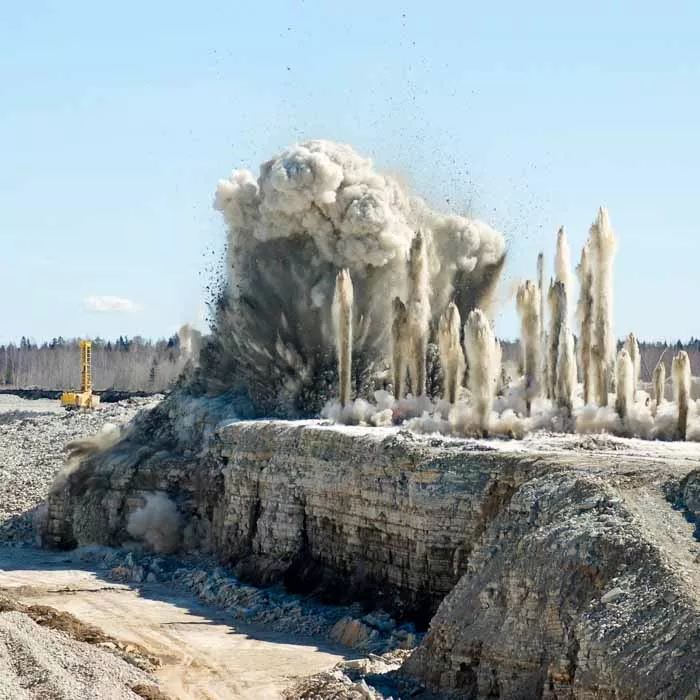
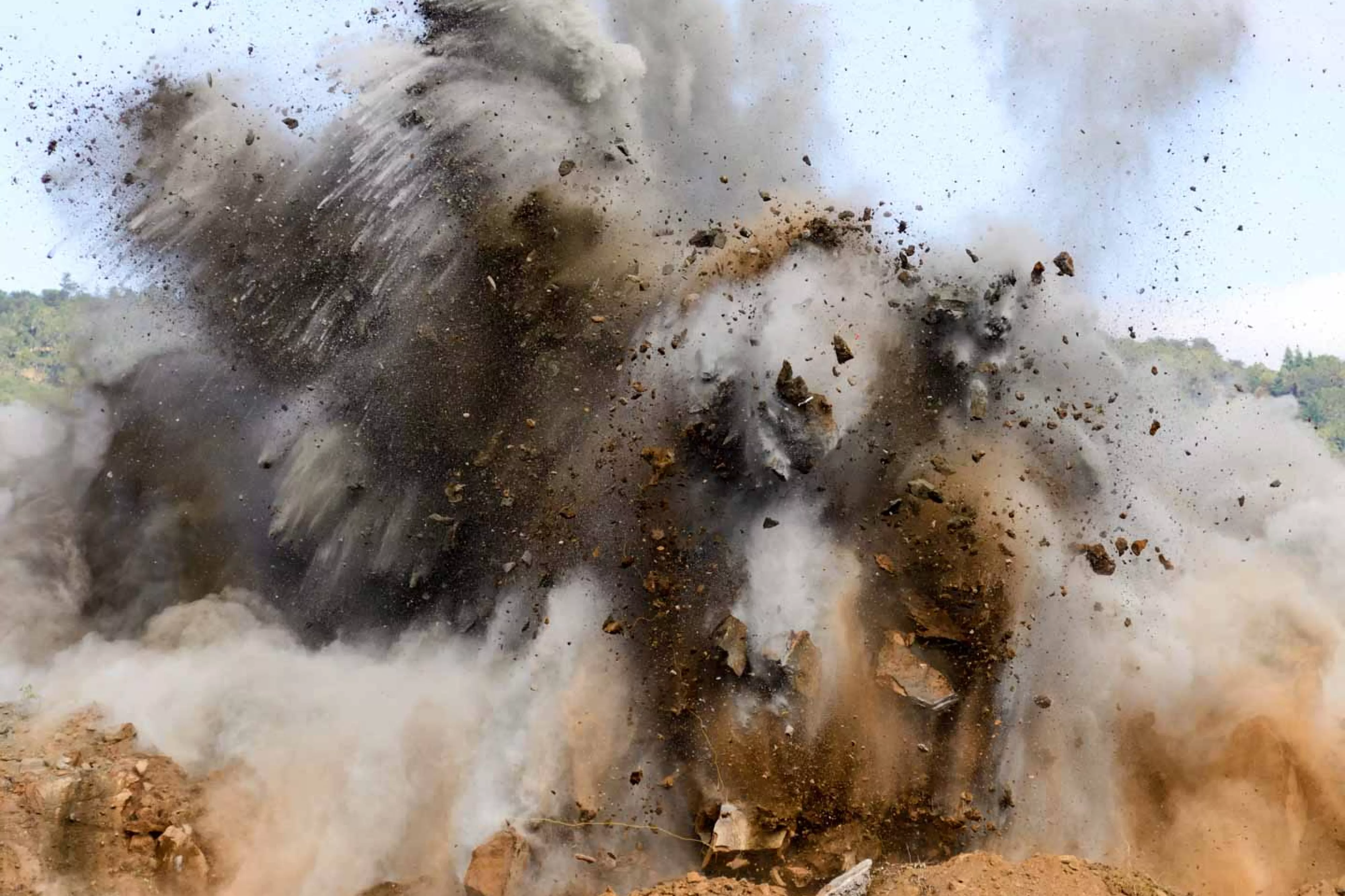
Blasting through rock creates strong ground vibrations air overpressure and noise that propagate to neighboring structures.
Why Monitor Your Blasting Project?
Why Monitor Your Blasting Project?
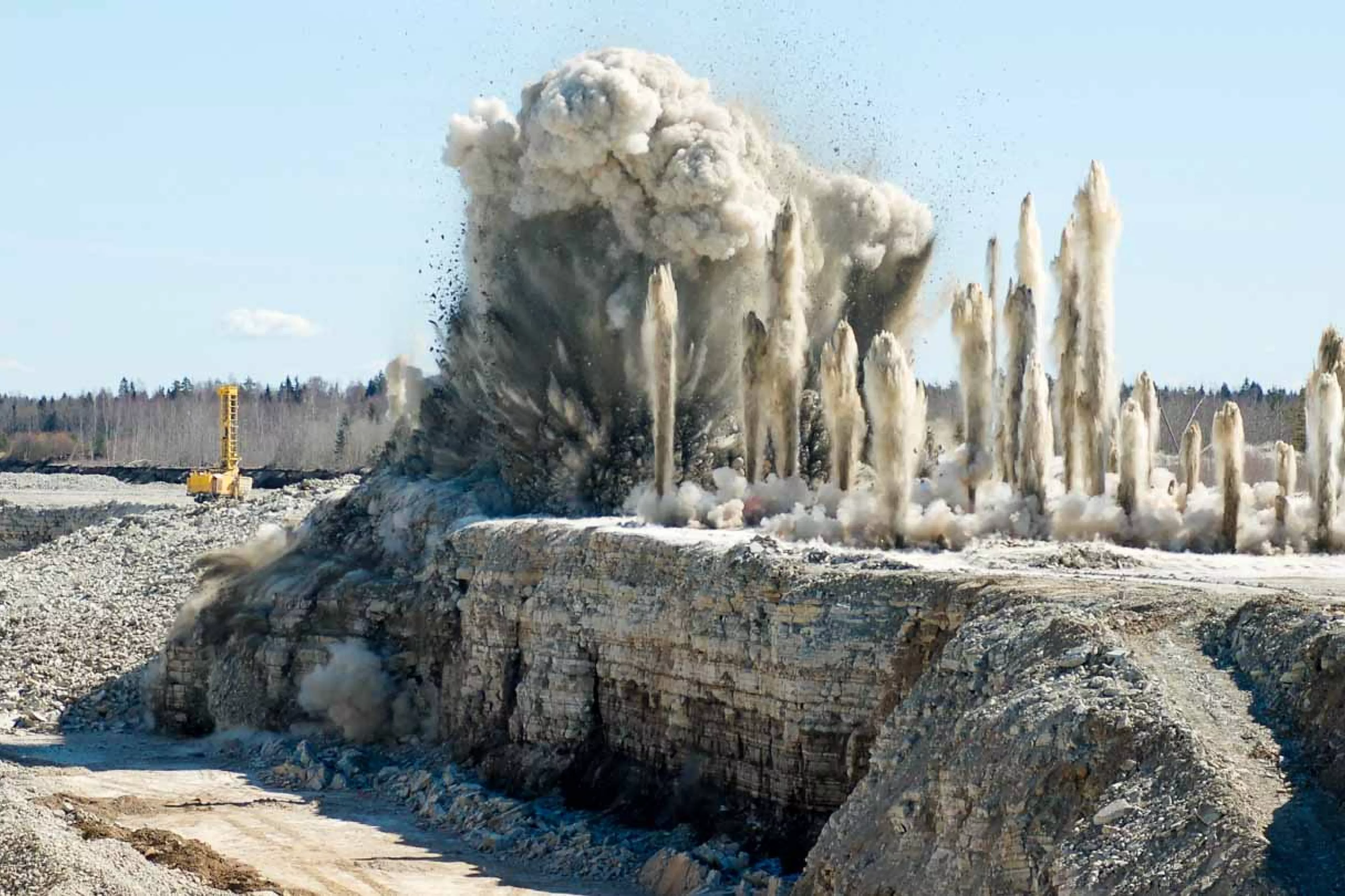
Controlled blasting is widely used in civil engineering, construction, quarrying, and mining operations. In dense urban environments, it enables the excavation of underground parking structures, basements, tunnels, and bedrock foundations. In suburban and interurban corridors, blasting facilitates road cuts, bridge abutments, and utility installations. In rural regions, it is essential for aggregate production, quarry development, and large-scale mining activities. Regardless of location, the detonation of explosives generates transient stress waves that propagate through the ground as seismic vibrations. These vibrations are typically quantified as Peak Particle Velocity (PPV, mm/s) and evaluated in three orthogonal directions, often with frequency analysis to assess potential structural response in accordance with standards such as DIN 4150-3 or USBM RI 8507. If not properly controlled, excessive ground vibration can lead to cosmetic cracking (e.g., plaster or drywall), structural distress in sensitive buildings, or damage to buried infrastructure such as sewer lines and utilities. In addition to ground-borne vibration, blasting produces air overpressure (airblast), a rapid pressure wave transmitted through the atmosphere and commonly measured in decibels (dB, linear or peak). While typically short in duration, air overpressure can rattle windows, trigger car alarms, and, in extreme cases, contribute to window breakage or superficial façade damage.
Even when blasting is carefully designed using controlled charge weights per delay, precise timing sequences, and proper stemming practices, perceptible vibration and airblast can create significant concern among nearby residents and property owners. Human sensitivity to vibration is often greater than the threshold for structural damage, meaning occupants may feel or hear effects well below established safety limits. When china cabinets rattle or car alarms activate, residents may understandably assume that structural damage has occurred. This perception can lead to formal complaints, regulatory scrutiny, work stoppages, and potential financial penalties. Additionally, elevated noise and vibration levels can present occupational health and safety considerations for on-site personnel. For these reasons, comprehensive blast design, real-time vibration monitoring, and transparent communication with stakeholders are critical components of responsible blasting operations.
How Instantel Can Help
Using monitoring equipment from Instantel, vibration, air overpressure, and/or noise levels can be recorded and monitored simultaneously, as they occur during the blasting process. Since recorded data can be viewed almost immediately, project teams can make informed adjustments in real time — before regulatory limits are exceeded or before community concerns arise. Pre-configured warning and alarm thresholds can be established based on project-specific requirements, regulatory limits, or site conditions. These trigger levels can vary from one job to another and are customizable by sensor. When thresholds are approached or exceeded, automated notifications can be sent to designated recipients — whether that includes site personnel, project managers, consultants, or regulatory authorities. Events, devices, and project management can be accessed on computers, laptops, tablets, or smartphones, ensuring visibility wherever you are. In addition, a secure historical record of monitoring data is maintained. This documented evidence can be invaluable in addressing complaints, demonstrating compliance, and protecting against future claims or liability.
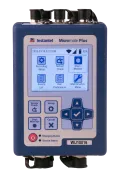
The Instantel monitoring system pairs the Micromate Plus unit with a versatile range of sensors to capture vibration, noise, and air overpressure simultaneously with real-time data reporting powered by Vision II software.
| 
| 
| 
|
Micromate Plus | Triaxial Geophone | Linear Microphone | Sound Level Microphone |
Robust, reliable monitoring unit with built-in features, including Wi-Fi and cellular modem, GPS, battery, and solar charge controller. | One geophone measures to ISEE standards (2 - 250 Hz) and DIN standards (1 - 315 Hz and 1 - 80 Hz). | Measures air overpressure on a linear scale from 2 Hz to 250 Hz with a range up to 1000 Pa (0.145 psi or 154 dB). Calibrated to the ISEE-2022 standard. | Class 1 sound/noise microphone. Measures sound/noise levels in decibels and audio clips. Up to 20 kHz with a range of 30 to 140 dB. Calibrated to the ISEE 61672-1 standard. |
| Learn more about the Micromate Plus | |||
Connecting with Instantel Software Systems
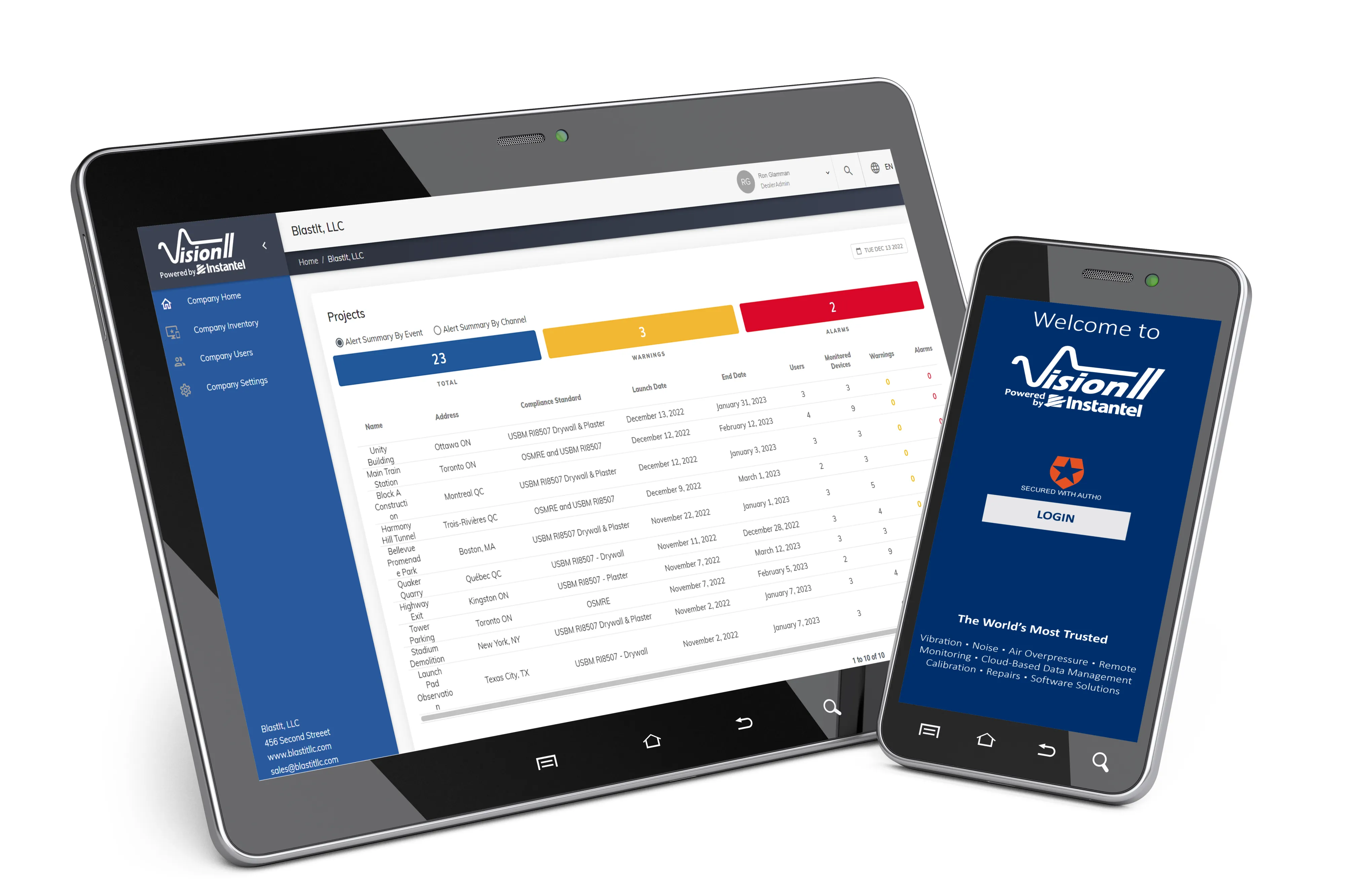
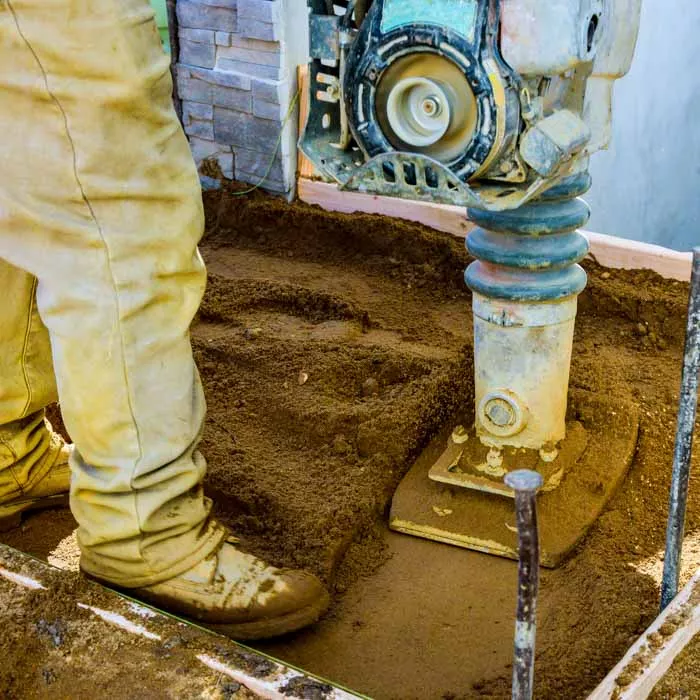
The Micromate Plus system integrates a vibration monitoring unit with a triaxial geophone, sound level, and linear microphone to simultaneously measure ground vibration levels, noise, and air overpressure, providing a complete picture of generated impacts. Devices can be configured to record in Histogram-Combo mode continuously, capturing background vibration levels while still generating detailed waveform reports for events that exceed defined trigger thresholds. The histogram event reports deliver peak particle velocity (PPV) values at set intervals, ensuring comprehensive vibration profiling throughout the monitoring period, which is ideal when monitoring activities with repetitive vibrations such as dynamic compaction. Combined with Vision II, reports can be automatically scheduled for delivery at a specified time or at the end of each day.
Calculating Scaled Distance with THOR Advanced
When explosives are detonated, the released energy spreads outward from the blast location in all directions. As this energy travels through the ground, it gradually decreases in strength the farther it moves from the source. This is why vibration levels are typically higher close to the blast and lower at greater distances. To help predict how strong vibrations may be at different locations, the industry uses a method called Scaled Distance. Scaled Distance allows engineers to compare blasts of different sizes by considering both the distance from the blast and the amount of explosives used. By normalizing these two factors, it becomes much easier to estimate expected vibration levels and plan blasts that stay within safe limits. In simple terms, Scaled Distance is calculated by dividing the distance from the blast by the square root of the maximum amount of explosives detonated in a single delay. This ensures that larger blasts and smaller blasts can be evaluated on the same basis. For air overpressure, a similar approach can be used.
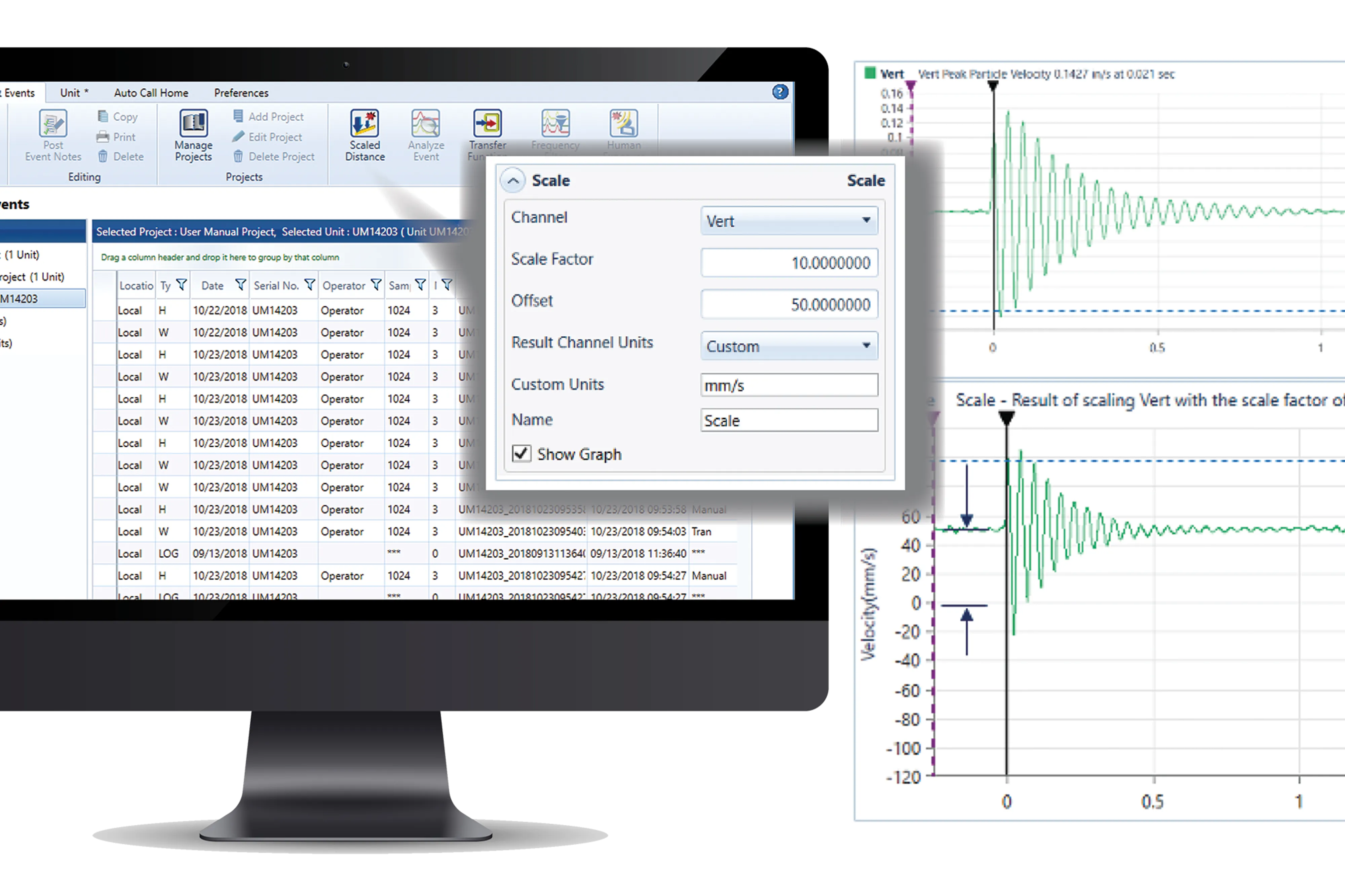
The Scaled Distance feature in THOR Advanced automatically performs this calculation, factoring in the correct charge weight per delay and the distance from the blast. The results are displayed graphically, showing how vibration levels relate to scaled distance. Users can choose between square root, cube root, or air blast scaling methods depending on their project requirements. The software also allows adjustment of the regression line percentage, helping users apply more conservative criteria when needed. By presenting the data visually, THOR makes it easier to understand expected blast performance, improve blast design, and demonstrate compliance with project or regulatory limits.