Vibration Dose Value (VDV) and Human Exposure
Measure, assess, and analyze human exposure to vibration using real-time monitoring or advanced post-processing.

Why Monitor Human Exposure to Vibration?
With expanding urban development, human sensitivity to vibration has become an increasingly important consideration during vibration-inducing activities. Even when structural damage thresholds are not exceeded, vibration levels that affect human comfort can quickly result in complaints, regulatory scrutiny, and costly project delays.
Traditional vibration monitoring focuses on Peak Particle Velocity (PPV), which measures the highest instantaneous vibration level and is widely used for evaluating the potential for structural damage. However, PPV does not account for the duration or repeated nature of vibration exposure and therefore does not accurately represent how people experience vibration. To assess human comfort, engineers use Vibration Dose Value (VDV), which measures the cumulative effect of vibration over time. Because VDV considers both vibration magnitude and duration, it provides a more representative assessment of human exposure during continuous, intermittent, or impulsive vibration events. As a result, VDV has become an important measurement for projects where community impact is a primary concern.
International standards, including DIN 4150-2 and ISO 2631, provide guidance for evaluating human exposure to vibration in residential, commercial, and industrial environments. When human response is the primary concern, these standards frequently recommend VDV-based assessments in addition to traditional peak vibration measurements.
Common Standards
DIN 4150-2:1999-06 describes structural vibration and methods for measuring human exposure to vibration within buildings.
ISO 2631-2:2003 defines methods for evaluating whole-body vibration with respect to human health, comfort, perception, and the potential for motion sickness.
How Instantel Can Help
Instantel offers two complementary solutions for Human Exposure monitoring. Whether immediate results are needed in the field or detailed analysis is required later in the office, there is a solution designed to meet your workflow.
Real-Time VDV Monitoring with the Minimate Pro Series
For applications requiring immediate field decisions, the Minimate Pro can calculate Vibration Dose Value (VDV) during monitoring. After a monitoring session, VDV results are immediately available on the instrument, eliminating the need for additional post-processing before evaluating compliance or exposure levels. This capability is particularly valuable during construction, blasting, rail monitoring, demolition, and other activities where rapid decisions must be made while work is in progress. By providing immediate VDV calculations, the Minimate Pro allows field personnel to assess human exposure without returning to the office for further analysis. Real-time VDV monitoring requires a Minimate Pro, compatible VDV weighting files, and an appropriate 1–80 Hz DIN geophone.
Human Exposure Analysis in THOR Advanced
For projects requiring detailed analysis and comprehensive reporting, THOR Advanced provides Human Exposure analysis using waveform events collected by any THOR-supported monitoring instrument. The software calculates Vibration Dose Value (VDV), RMS acceleration, and other Human Exposure metrics using user-selectable weighting standards appropriate for the application. THOR Advanced converts recorded velocity data into acceleration, applies the selected frequency weighting, and performs Human Exposure calculations using the recorded waveform. Because the calculations are performed after data collection, users can analyze individual events, evaluate multiple monitoring sessions, recalculate results using different weighting standards, and generate detailed Human Exposure reports without requiring specialized field configuration. This flexibility makes THOR Advanced particularly well-suited for historical event review, engineering studies, regulatory reporting, and projects involving mixed fleets of monitoring equipment.
| 
| 
| 
|
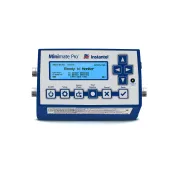
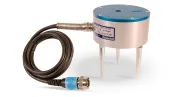
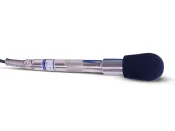
Minimate Pro4 | VDV Triaxial Geophone | Linear Microphone | Sound Level Microphone |
Monitoring unit with either four or six channels and sample rates up to 65 Hz. | Calibrated to DIN 45669-1 standard and measures 1 to 80 Hz. Cable length 2m or 8m. | Records air overpressure data on a linear scale from 2 to 250 Hz with a range of 100 to 148 dB (L) (2 to 500 Pa). | Class 1 Sound Level Microphone records noise (or sound) levels. The Sound Microphones meet the IEC 61672-1 standard. |
| Learn more about the Minimate Pro Series | |||
Connecting with Instantel Software Systems
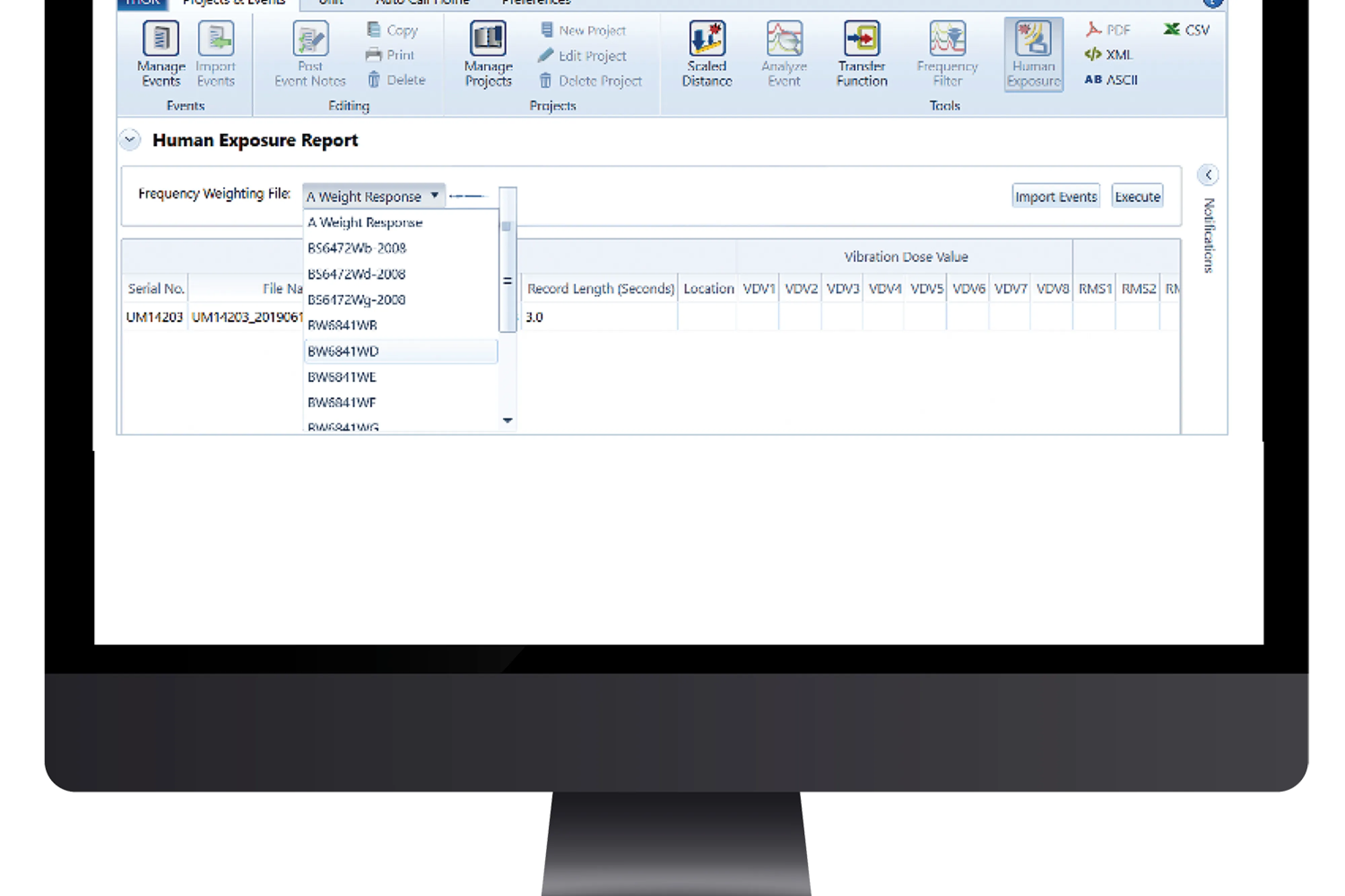
The THOR Advanced software system includes tools for post-analysis of human exposure to vibration, including Vibration Dose Value (VDV). THOR Advanced converts PPV waveforms into VDV, or other human exposure waveforms like RMS, and includes them in the event report for viewing and further analysis.
| Which Solution Is Right for You? | |
|---|---|
| Immediate VDV Results in the Field | Minimate Pro Real-Time VDV |
| Detailed Reporting | THOR Advanced |
| Multiple-Event Exposure Analysis | THOR Advanced |
| Historical Event Review | THOR Advanced |
| On-Site Compliance Decisions | Minimate Pro Real-Time VDV |
| Mixed Fleet of Monitoring Units | THOR Advanced |