
Evaluation of Blast-Induced Environmental Impacts
Blasting generates dynamic energy that propagates beyond the intended excavation boundary, and even well-designed blasts can produce adverse effects.
Background
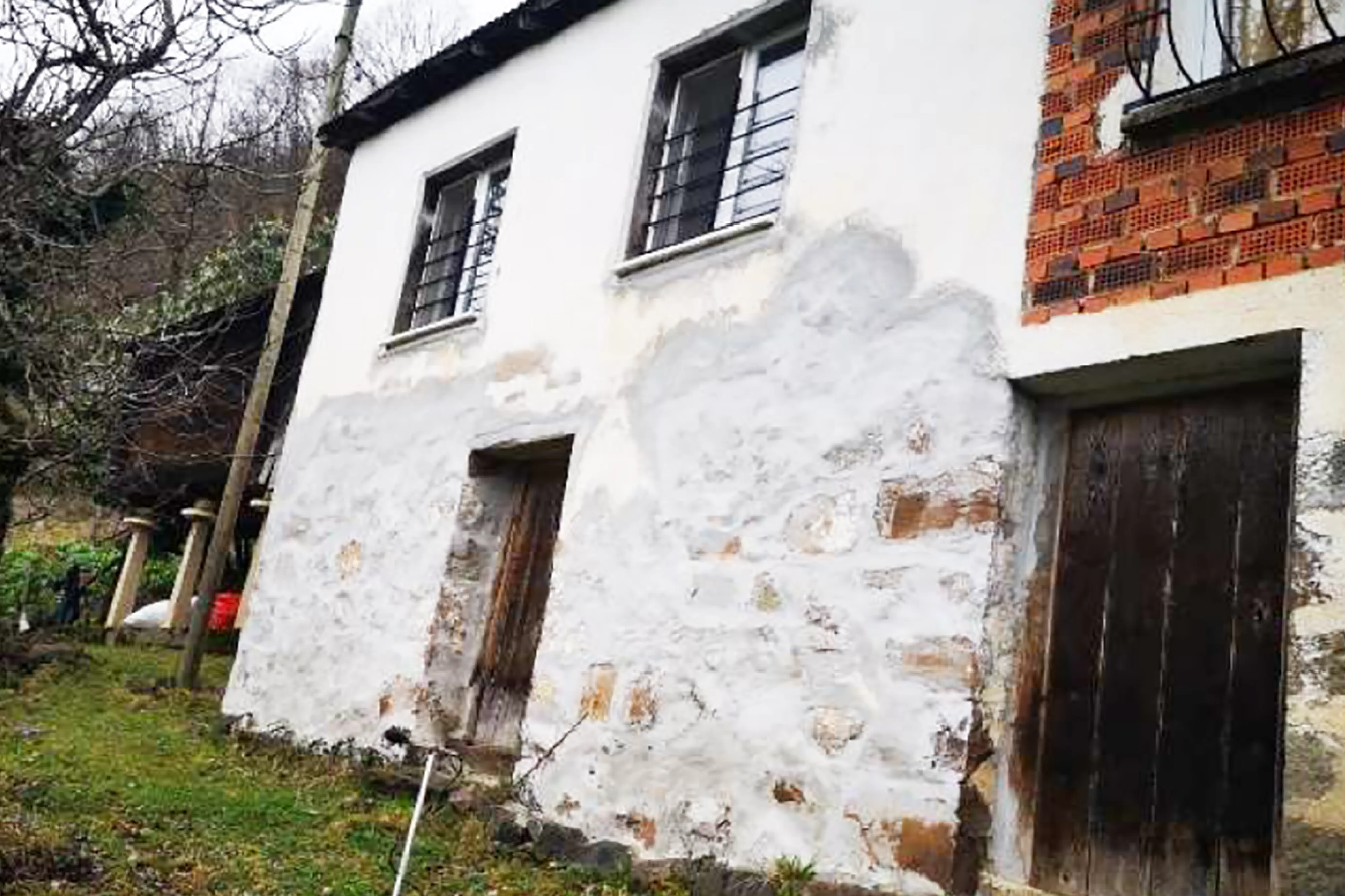
In mining and civil engineering projects, drilling and blasting have been indispensable methods for rock fragmentation and excavation. Although advances in explosive technology and blast design optimization have significantly improved operational efficiency, blasting has inevitably generated dynamic energy that propagates beyond the intended excavation boundary. As a result, even well-designed blasts have produced adverse environmental effects such as structural damage to nearby buildings and environmental complaints due to air overpressure, flyrock, and blast-induced ground vibration. Therefore, each blast event has required systematic monitoring to assess and control these adverse impacts.
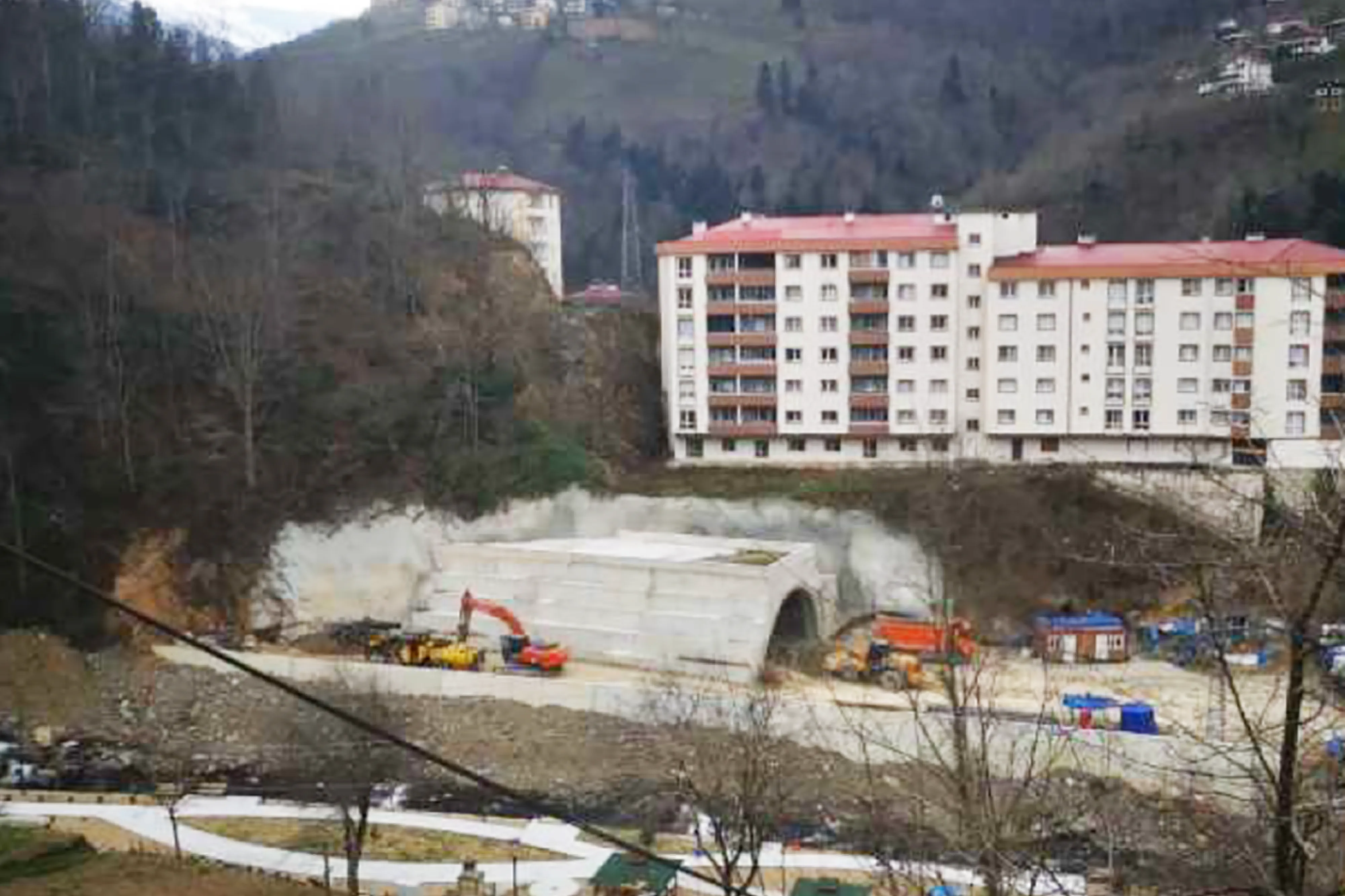
The Blasting Design & Vibration Monitoring Research Group (Patlatma Tasarımı & Titreşim Ölçümü Araştırma Grubu), based in Türkiye and led by researchers with more than 25 years of industrial and professional experience, has been actively engaged in blast design optimization, the preparation of explosive material requirement reports, and the quantitative evaluation of blast-induced environmental impacts. This case study examines the ongoing Of–Çaykara (DOKAP) Road project.
Challenge
Within the scope of the study, the most appropriate blasting pattern needed to be determined through geological and geotechnical examinations conducted at the tunnel face before each blast, and blasting efficiency was evaluated afterward. Monitoring of vibration and air overpressure ensures that blasting activities are performed safely while also contributing to the prevention or reduction of potential environmental complaints. Monitoring campaigns followed local regulations, including the Turkish Regulation of the Assessment and Management of Environmental Noise.
Approach
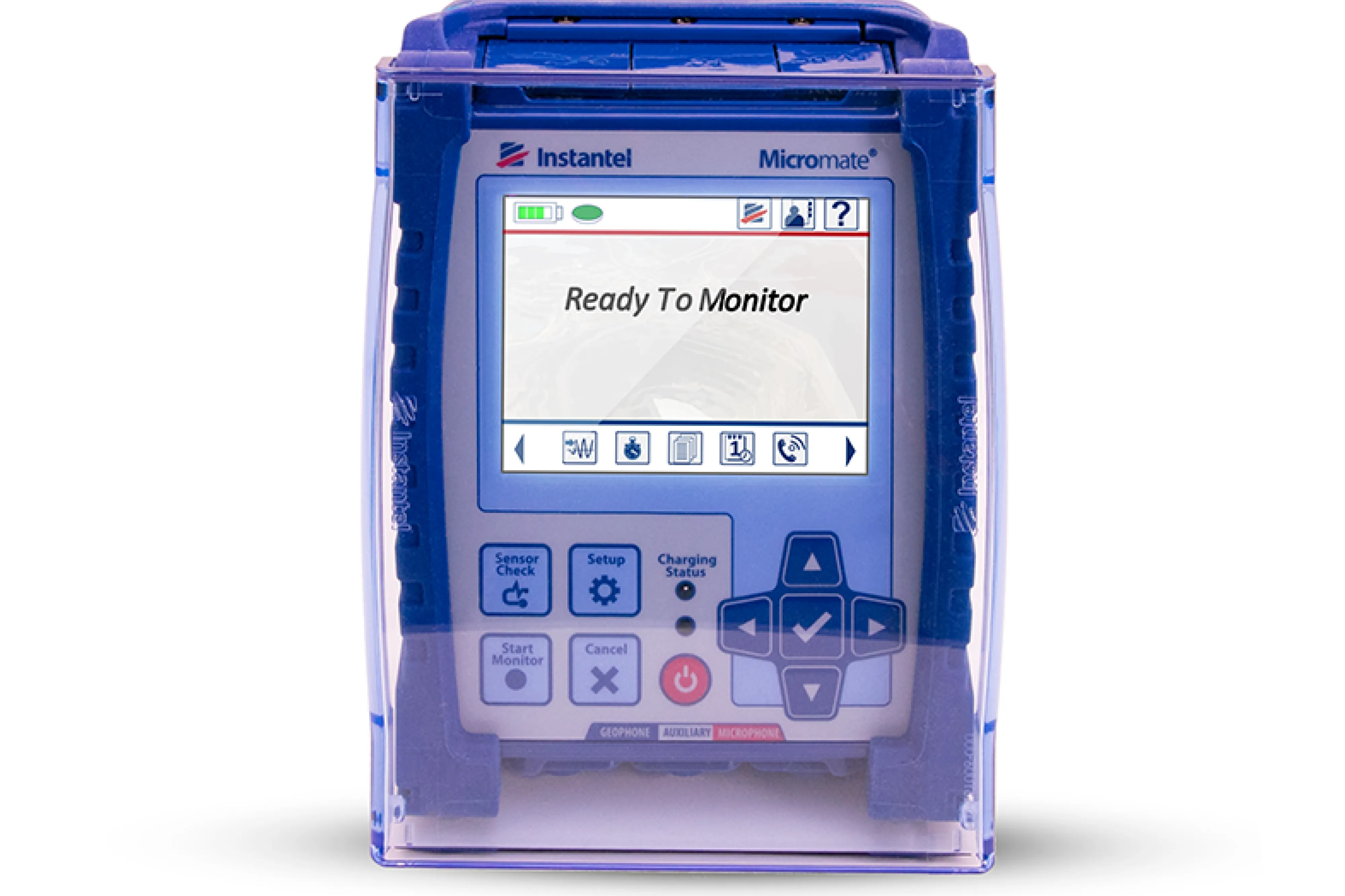
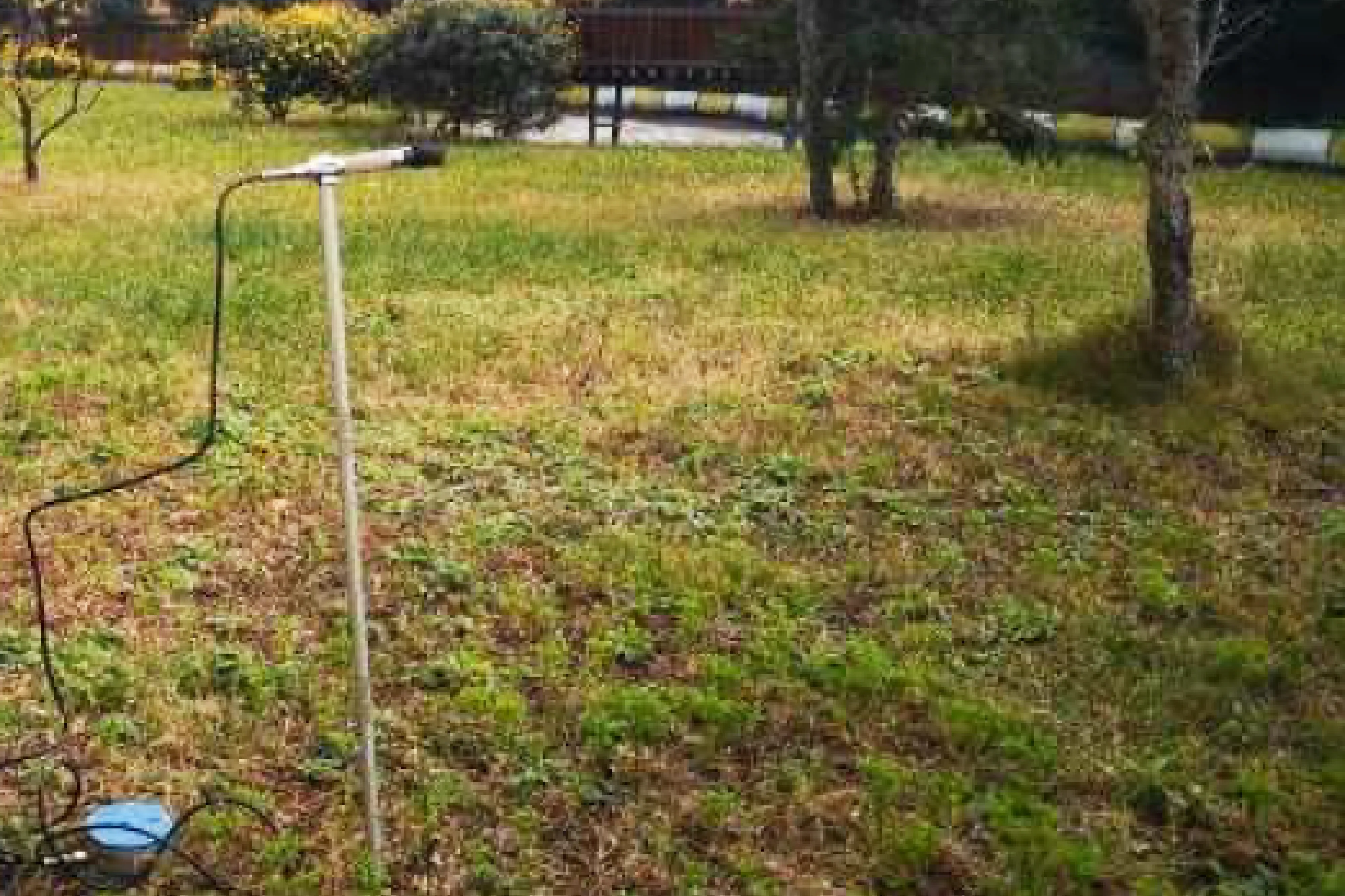
A comprehensive monitoring approach was implemented as part of this case study, utilizing four Instantel Micromate units equipped with DIN-standard triaxial geophones and linear microphones to capture both ground vibration (PPV and frequency) and air overpressure data during blasting operations. Data acquisition began earlier in the project lifecycle and is ongoing through to the anticipated project completion at the end of 2026. As excavation advanced through varying environments, including residential and industrial zones, site-specific trigger thresholds were dynamically adjusted to reflect the sensitivity of surrounding structures and receptors.
Results
The results of the monitoring program demonstrated that blasting operations were effectively controlled throughout the duration of the study. Data collected from the four Micromate units consistently showed that peak particle velocity (PPV), vibration frequency, and air overpressure levels remained within the regulatory limits defined by the Turkish guidelines. Adjustments to trigger thresholds based on proximity to residential and industrial areas proved effective in maintaining compliance while optimizing blast performance. In residential zones, the restricted blasting windows further contributed to minimizing disturbance, with no exceedances recorded during the monitored events. Additionally, the correlation between blast design parameters and recorded vibration responses enabled continuous refinement of blasting practices, resulting in improved fragmentation efficiency without compromising environmental or structural safety. Overall, the integration of real-time monitoring and adaptive control measures ensured both regulatory compliance and a reduction in potential community impacts.
Conclusion
Blasting operations were consistently maintained within controlled parameters throughout the monitoring period, reflecting effective blast design and execution. Measured peak particle velocity (PPV), dominant frequency, and air overpressure levels remained in compliance with the limits established under the Turkish Regulation on the Assessment and Management of Environmental Noise. Recorded vibration levels stayed below structure-dependent PPV thresholds, typically ranging from approximately 5 to 50 mm/s depending on building classification and frequency content. Air overpressure levels were also within acceptable limits, generally not exceeding 120–140 dB(L) based on receptor sensitivity and regulatory interpretation. Additionally, conducting blasting within regulated time windows—07:00 to 19:00 for non-residential areas and mid-morning to mid-afternoon in residential zones—helped minimize human exposure and reduce the risk of complaints.